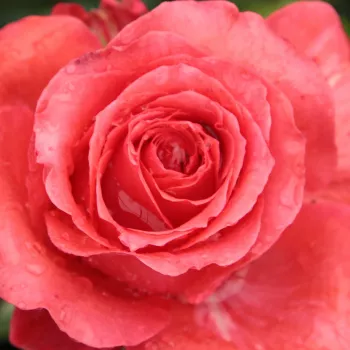
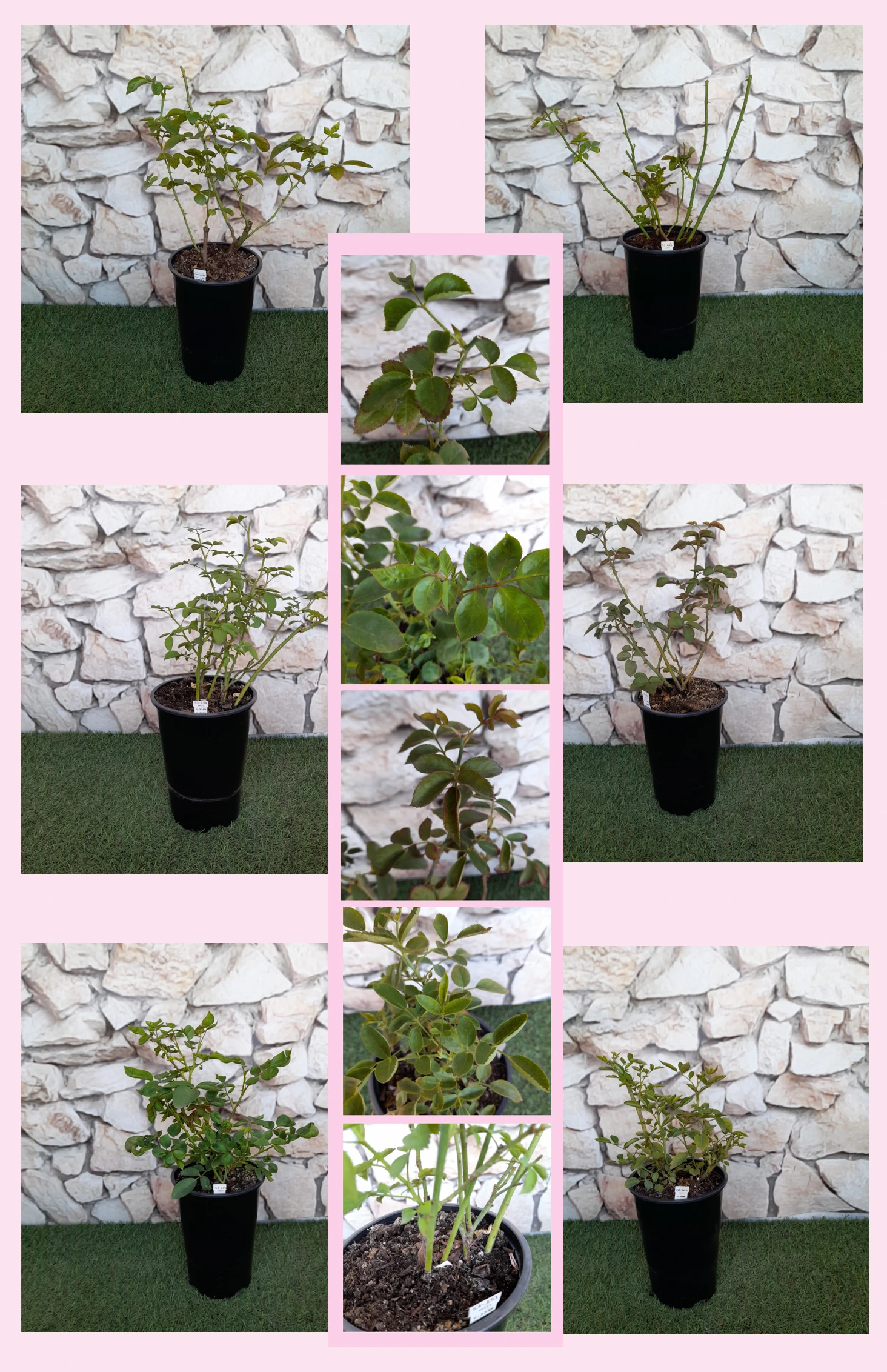
SEÑORA DE BORNAS™ – red hybrid tea rose (own-root, 2-litre)
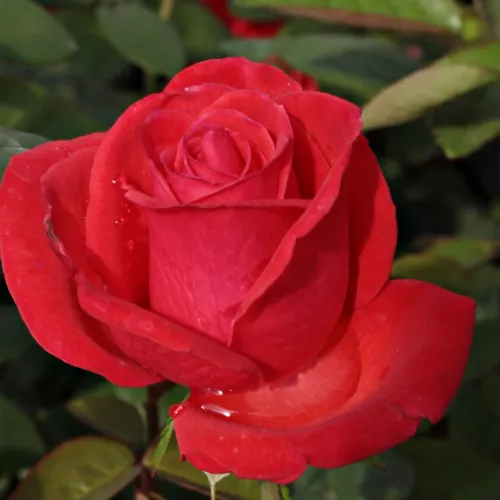
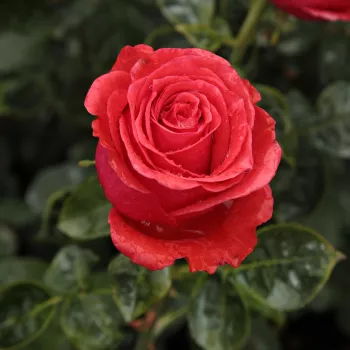
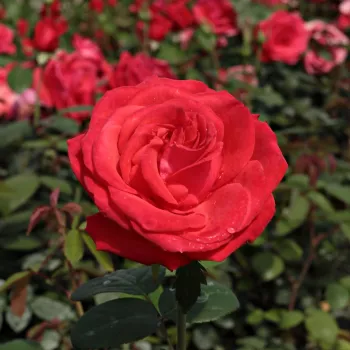
From the first glance, SEÑORA DE BORNAS™ feels reassuringly reliable in a busy family garden, with an upright habit that makes it easy to place in small front borders or narrow beds. Its medium-sized, high-centred blooms bring a poised elegance to London terrace front gardens and balconies, with warm orange-red tones that soften beautifully as each flower matures. The own-root form supports long-term regeneration and a stable shape, ideal where you prefer simple pruning over complex regimes. Low maintenance yet generously remontant, it flowers in repeated flushes, rewarding regular deadheading with abundant colour and a classic tea fragrance. Well-suited to gardens that must also cope with damp air and showery spells, it remains dependable in blustery, wet weather when other plants can look bedraggled. In larger containers of at least 40–50 litres, its structured form and glossy foliage offer year-round structure, while the medium scent and formal flower shape make it a natural choice near doors or seating. Over the first three seasons it knits in steadily – roots in year one, stronger top growth in year two, and full ornamental impact by year three – creating a long-lived feature with quiet, enduring balance.
Usage options
| Target area |
Reasoning |
| Small front garden feature rose |
The upright, medium-tall habit and large, high-centred flowers make SEÑORA DE BORNAS™ an easy focal point in compact front gardens, giving structure without overwhelming a narrow plot and suiting those who want clear shape with minimal shaping cuts, ideal for the beginner. |
| Low-maintenance mixed bed in a family garden |
Its good disease resistance and low intervention needs allow you to combine it with perennials such as lavender or nepeta for a soft, cottage edge, keeping care simple: basic feeding, watering in dry spells, and occasional deadheading suffice for the busy. |
| Cutting patch for home-grown vase flowers |
The classic hybrid tea form with long, straight stems and medium to large blooms makes it well-suited for cutting, so a few bushes in a back border provide regular stems for the house through the season, an appealing idea for the home-flower enthusiast. |
| Long-season colour in a narrow border |
Remontant flowering with a strong second flush ensures colour from early summer well into autumn, providing continuity where space is tight and every plant must earn its place, a dependable trait for the small-garden planner. |
| Urban, rainwater-conscious front garden |
Its tolerance of showery, windy spells helps it stay presentable in exposed, street-facing beds where rainfall can be intense yet intermittent, supporting simple rainwater capture and slow release for the environmentally aware town-dweller. |
| Container planting on patios and balconies |
In a 40–50 litre or larger pot with peat-free compost, its upright shape and moderate spread create a tidy vertical accent near doors or seating, while the medium tea fragrance adds sensory interest for the balcony or patio owner. |
| Long-lived specimen rose for stable display |
The own-root form supports good longevity and recovery from occasional damage, reducing worry about graft failure and allowing the plant to mature gradually into a balanced, permanent feature, reassuring for the long-term garden investor. |
| Pollinator-aware but ornamental-focused planting |
While its double blooms are only moderately attractive to pollinators, pairing it with nectar-rich companions such as sage or catmint helps support insects without losing the formal rose look, a thoughtful choice for the design-conscious naturalist. |
Styling ideas
- Terrace Entrance Trio – Plant three SEÑORA DE BORNAS™ along a narrow London terrace front path with gravel mulch to show off the structured habit and repeated blooms – suited to style-led small-space homeowners.
- Peat-Free Classic – In a 50-litre peat-free container, underplant with low lavender or thyme to echo the rose’s warm reds and mask bare stems – ideal for balcony and patio gardeners who prefer low upkeep.
- Rain-Garden Ribbon – Use as a linear accent beside a permeable driveway, interplanted with nepeta and ornamental grasses to handle downpours gracefully – perfect for urban front gardens managing rainfall sustainably.
- Cutting Corner – Group three to five bushes with easy perennials like salvia and achillea to create a low-care cutting area with reliable stems – attractive for hobby florists and weekend gardeners.
- Evening Scent Seat – Position one or two plants near a bench, with soft underplanting of hardy geraniums, so the medium tea fragrance and upright form frame a calm sitting spot – appealing to relaxation-focused garden users.
Technical cultivar profile
| Property |
Data |
| Name and registration |
SEÑORA DE BORNAS™ hybrid tea rose from the Hybrid Tea group, commercial type hybrid tea; collection Hybrid tea rose, bred by Cebrià Camprubí Nadal and supplied here as an own-root, 2-litre garden plant. |
| Origin and breeding |
Hybrid tea rose of unknown parentage, bred in Spain in 1955 by Cebrià Camprubí Nadal; exact introduction and registration dates are not documented, but it remains valued as a classic garden variety. |
| Growth and structural characteristics |
Upright habit, around 105–135 cm tall and 70–90 cm wide, moderately thorny stems with mid-green, slightly glossy foliage of medium density, forming a well-defined, compact bush suitable for borders or specimens. |
| Flower morphology |
Large, double, high-centred hybrid tea blooms with 26–39 petals, typically borne singly on stems; repeat flowering with an especially abundant second flush, making it suitable for cutting as well as garden display. |
| Colour data and phenology |
Initially a fiery coral-scarlet with orange tones, then softening to brick-peach pink and creamy-edged petals; overall effect is a warm orange-red with velvety sheen, maintaining good colour retention through the flowering period. |
| Fragrance and aroma |
Classic hybrid tea scent of medium strength, clearly perceptible around the plant in still conditions; the fragrance suits seating areas, paths, and entrances where you can appreciate the tea notes in passing. |
| Hip characteristics |
Occasional ellipsoidal hips form after flowering, 10–14 mm in diameter, orange-red (RHS 40A); while not heavily ornamental, they offer a discrete seasonal accent if some spent blooms are left uncut. |
| Resistance and winter hardiness |
Rated resistant to powdery mildew, black spot, and rust; hardy to about −21 to −18 °C (RHS H7, USDA 6b, Swedish zone 3), with moderate heat tolerance provided adequate watering during prolonged drought. |
| Horticultural recommendations |
Best in full sun with fertile, well-drained soil; recommended spacings: 65 cm for mass planting, 55 cm for hedging, 100 cm as a specimen; maintenance is straightforward, focusing on feeding, watering, and deadheading. |
SEÑORA DE BORNAS™ offers reliable repeat flowering, a classic cut-flower form and long-lived own-root resilience, making it a considerate, easy-care choice for a enduring, fragrant garden feature.