Rosa Banksiae lutea – Botanical rambler rose for sustainable structure
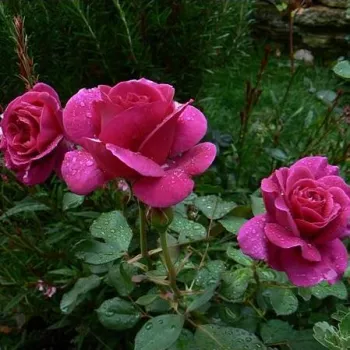
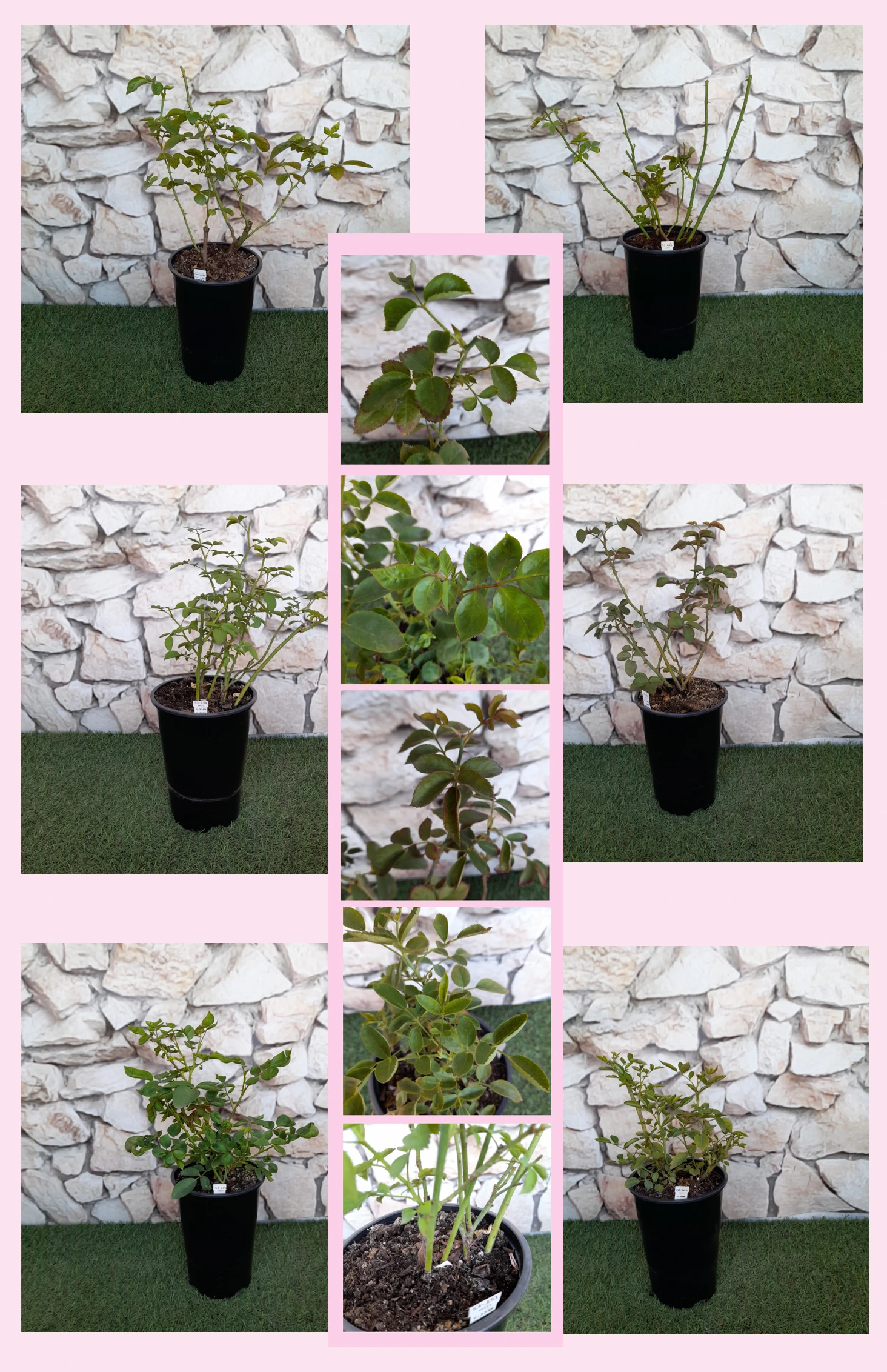
Turn a narrow London front garden into a vertical rose haven with Rosa Banksiae lutea, a vigorous botanical rambler that clothes walls and pergolas with clouds of soft yellow, pompon blooms. Its slightly thorny, climber growth makes training easy along wires or over arches, while dense, glossy, medium‑green foliage stays attractive for most of the season. Once‑a‑year spring abundance delivers a memorable display, then the tidy, medium self‑cleaning habit keeps maintenance modest for busy householders. Planted into improved heavy clay, it copes well with coastal rain and wind, using its own‑root resilience for a long, reliable life. Give it a sunny aspect, space to climb, and expect a gentle arc of establishment: first year focusing on roots, second on stronger shoots, and by the third year a fully woven, long‑lasting curtain of blossom.
Usage options
| Target area |
Reasoning |
| Front‑garden house wall or garage wall |
Ideal for softening plain brick or pebbledash where space is tight at ground level but height is available. Its vigorous climbing habit quickly covers façades, giving a romantic, botanical look with minimal pruning for busy urban gardeners |
| Arbour or pergola in a family garden |
Once established, the long, flexible shoots readily drape over pergolas to create a yellow, early‑season tunnel that children and adults can walk under. Medium maintenance suits those wanting a standout feature without constant shaping for hobby home gardeners |
| Rainwater‑friendly urban planting with improved clay soil |
Works well where paving is being lifted for permeable planting: loosen heavy clay, add organic matter and sharp grit, and let this rambler guide rainwater into the root zone while coping well with blustery, wet conditions for sustainability‑minded owners |
| Large container on terrace or balcony (40–50 litres minimum) |
In a substantial pot with sturdy support, it becomes a tall, green screen that hides neighbouring windows or bins. Good heat tolerance suits sun‑trapped patios, provided regular watering and feeding are given for balcony and terrace gardeners |
| Solitary specimen on a sturdy obelisk |
Set in a lawn or gravel area, trained up an obelisk, it forms a dramatic, fountain‑like pillar packed with small double blooms once a year, then remains a neat green presence, ideal where you want one strong feature plant for design‑conscious beginners |
| Informal park‑style corner in a family garden |
Left a little looser, it creates a soft, slightly wild thicket that blends well with ornamental grasses and shrubs, offering a natural, park‑like feel at the end of the garden with only occasional tying‑in and thinning for nature‑inspired households |
| Historic or cottage‑style planting schemes |
With its long history and traditional botanical character, this rose is well suited to period terraces and cottage façades, bringing authenticity and charm without the need for complex rose pruning techniques for heritage‑loving gardeners |
| Low‑input, long‑term structural planting |
Own‑root growth means no graft union to manage and better recovery from winter or pruning, giving a stable framework that matures over decades with modest seasonal trimming, ideal for those planning for the long term for forward‑thinking homeowners |
Styling ideas
- Terraced‑Charm Arch – Train over a slim metal arch between path and pavement, underplant with lavender and nepeta to keep the base airy and fragrant – for city dwellers wanting a welcoming entrance.
- Butter‑Yellow Screen – Create a living privacy screen along railings with discreet horizontal wires, pairing with evergreen cherry laurel ‘Klári’ for year‑round depth – for households needing gentle separation from the street.
- Rain‑Garden Focal – Position near a downpipe into a gravel swale, with Verbena hastata ‘White Spires’ and Knautia macedonica ‘Red Knight’ softening the flow – for sustainability‑focused front‑garden renovators.
- Courtyard Cascade – In a 50‑litre trough, fan‑train it against warm brick to create a yellow waterfall effect above pale stone chippings – for small‑space owners seeking vertical drama.
- Park‑Edge Retreat – Let it sprawl loosely over a rustic pergola with benches beneath, combined with airy grasses for a relaxed, semi‑wild feel – for families wanting a quiet corner away from the house.
Technical cultivar profile
| Property |
Data |
| Name and registration |
Rosa Banksiae lutea is a botanical rambler from the Banksiae group, sold here as BANKSIAE LUTEA – yellow species rose – Parks; an old, unregistered cultivar known under the exhibition name R. banksiae lutea. |
| Origin and breeding |
A naturally occurring yellow, double form of Rosa banksiae, first introduced to the United Kingdom in 1824 via Calcutta Botanic Garden, selected and distributed by John Damper Parks and the Royal Horticultural Society. |
| Awards and recognition |
Historically valued worldwide, this cultivar holds the RHS Award of Garden Merit and is listed in the World Federation of Rose Societies Old Rose Hall of Fame, underlining its long‑term ornamental performance. |
| Growth and structural characteristics |
A vigorous climbing rose with slightly thorny stems, typically 4.2–7.8 m high and 3.2–5.8 m wide, forming dense, glossy, medium‑green foliage; best trained on strong support such as walls, pergolas or mature structures. |
| Flower morphology |
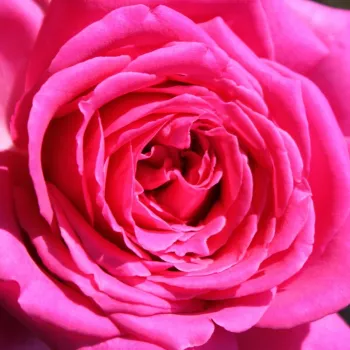
Small, very double, pompon‑shaped flowers, usually 0.5–1.5 inches across, appearing in large clusters once per season; petal count exceeds 40, giving a full, rosette effect that reads as a soft, foamy mass from a distance. |
| Colour data and phenology |
Flowers open pale lemon yellow with deeper inner tones, then deepen to butter‑yellow before gradually fading towards creamy straw‑yellow in strong light; a single, abundant spring flush creates a notable seasonal highlight. |
| Fragrance and aroma |
Fragrance is very light and often barely noticeable, with a simple, classic rose character rather than complex perfume; best appreciated by those who prioritise visual effect and structure over strong scent. |
| Hip characteristics |
Hip production is usually minimal because of the very double flowers; any formed are small, roughly 4–8 mm, globose and orange, adding occasional discreet autumn interest without creating significant self‑seeding. |
| Resistance and winter hardiness |
Best in milder regions (around RHS H4, USDA 8b), tolerating heat and moderate drought once established; may need protection in severe cold and is prone to black spot and rust under very humid, stagnant conditions. |
| Horticultural recommendations |
Choose a sunny position with well‑drained but moisture‑retentive soil, enriching heavy clay with compost and grit; maintain by tying in new shoots, light pruning after flowering, and targeted plant protection in humid summers. |
Rosa Banksiae lutea offers once‑a‑year yellow abundance, reliable long‑term structure and space‑efficient vertical coverage in an own‑root form that matures gracefully; consider it where you want lasting character from a single, decisive planting.