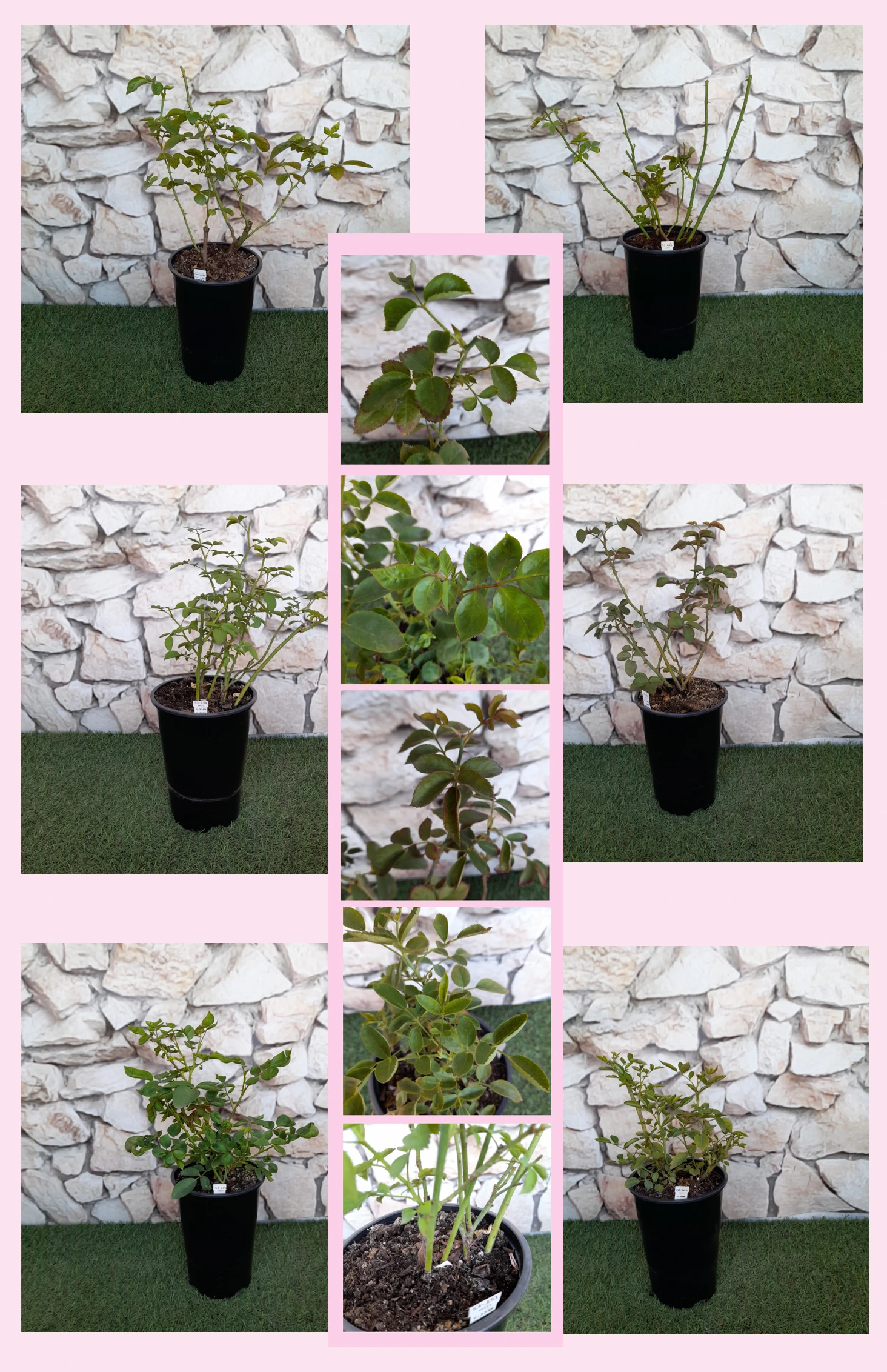
SIR FREDERICK ASHTON – white hybrid tea rose – Beales
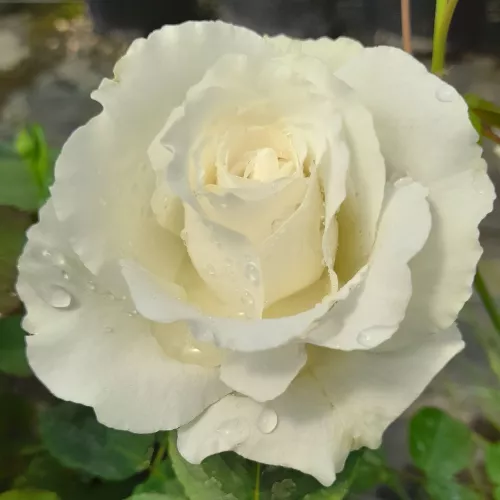
Step into the quiet poise of a front garden after rain, where balance and poise meet in the snow-white blooms of ‘Sir Frederick Ashton’. This hybrid tea has been selected for its reliable flowering, strong fragrance and reassuring disease resistance, making it an easy-care choice for compact London plots and busy family gardens. Planted into improved soil that copes well with heavy showers and good drainage, it settles quickly as an own-root shrub with a naturally long lifespan. In its first year it focuses on roots, in the second on structured shoots, reaching full ornamental impact around year three as an upright, well-shaped rose that feels quietly sustainable in a small, rainwater-wise space.
Usage options
| Target area |
Reasoning |
| Front garden feature rose |
The upright, hybrid tea form and pure white blooms create an elegant focal point beside a path or gate, ideal for smart but low-effort terraced-house front gardens where you want classic structure without complex pruning for the busy urban gardener. |
| Cut-flower border in family garden |
High-centred, long-stemmed flowers are bred for exhibition-style cutting, so you can harvest richly scented, snow-white stems for the house from midsummer onwards without losing the shrub’s overall shape, suiting the home flower arranger. |
| Low-maintenance white rose bed |
Consistent remontant flowering and good disease resistance allow simple, seasonal care: a winter tidy, spring feed and watering in dry spells, with little spraying needed, fitting those who prefer straightforward routines as a beginner gardener. |
| Urban, rain-aware planting strip |
Its moderate height and tidy spread sit well in narrow front beds alongside permeable gravel or brick, where improved soil handles heavier downpours without waterlogging, supporting rain-conscious designs for the sustainability-focused owner. |
| Small rose hedge or repeating rhythm |
Regular spacing at around 55–65 cm creates a gently upright, balanced line of white blooms, giving definition to paths or driveways while remaining easy to trim once a year, well suited to the informal-hedge enthusiast. |
| Own-root long-term planting |
Supplied on its own roots, it regenerates well from the base after hard pruning or weather damage, maintaining flowering performance for many years with minimal replacement planting, appealing to the long-view gardener. |
| Large container on balcony or patio |
In a 40–50 litre peat-free container with regular watering and feeding, the compact, upright bush delivers exhibition-style white blooms and fragrance close to seating, offering a refined, manageable option for the balcony rose lover. |
| Public-facing urban green space |
Neat habit, reliable repeat flowering and robust disease resistance make it practical for small community beds or shared front gardens where maintenance time is limited but a clean, classic look matters to the low-maintenance planner. |
Styling ideas
- Balletic symmetry – Plant three ‘Sir Frederick Ashton’ in a gentle arc with low lavender and nepeta for soft blue contrast and movement – ideal for front gardens seeking refined, easy-care structure.
- White-on-green calm – Pair with dark green evergreen groundcovers such as Japanese spurge to frame the white blooms and reduce weeding – suited to busy owners wanting year-round neatness.
- Cutting theatre – Run a narrow bed of this rose along a sunny path, undersown with low thyme, to create a scented cutting strip – appealing to home florists who like reliable stems for vases.
- Rainwise entrance – Combine the rose with gravel mulch and drought-tolerant companions like sage to manage rainfall and reduce splashing on foliage – perfect for small, permeable front drives.
- Elegant hedge – Repeat at 55–65 cm centres along a boundary, interplanting with low catmint for a soft edge that flowers for months – a good choice for families wanting definition without hard formality.
Technical cultivar profile
| Parameter |
Data |
| Name and registration |
Hybrid tea rose ‘Sir Frederick Ashton’, exhibition hybrid tea category, trade name used by Peter Beales Roses; named in honour of Sir Frederick Ashton, noted British ballet dancer and choreographer. |
| Origin and breeding |
Sport of ‘Anna Pavlova’ raised by Peter Leslie James Beales, bred and introduced in the United Kingdom in 1985, initially distributed by Peter Beales Roses and remaining a speciality hybrid tea selection. |
| Growth and structural characteristics |
Vigorous, upright shrub reaching around 100–140 cm in height and 70–110 cm spread, with moderately dense, matt, dark green foliage and moderate prickliness, forming a balanced, vertical garden presence. |
| Flower morphology |
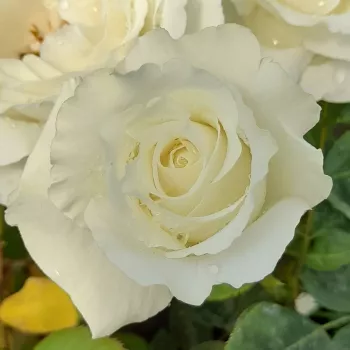
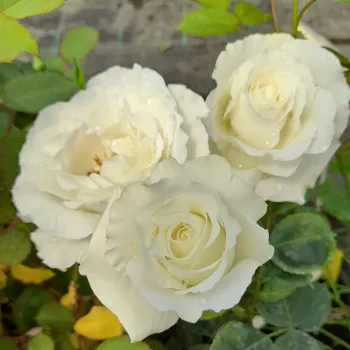
Large, double, high-centred hybrid tea blooms on mostly solitary stems, with approximately 26–39 petals and a pointed-bud form, remontant with a reliable second flush suitable for cutting and display. |
| Colour data and phenology |
Snow-white flowers with a delicate creamy-yellow or buttery flush on inner petal bases, buds cream-white, fading only slightly to translucent ivory; colour classified as white with ARS code w and RHS 155C, 11D. |
| Fragrance and aroma |
Rich, clearly defined rose fragrance of strong intensity, noticeable both in the garden and when used as a cut flower, contributing significant scent value to seating areas, entrances and indoor arrangements. |
| Hip characteristics |
Rose-hip production generally low due to very double flowers; where formed, hips are small, spherical, red, approximately 12–18 mm in diameter, adding only occasional late-season interest. |
| Resistance and winter hardiness |
Rated H7 with approximate hardiness to about –21 to –18 °C, resistant to powdery mildew, black spot and rust; tolerates heat reasonably well but appreciates irrigation during prolonged dry periods. |
| Horticultural recommendations |
Best in sunny positions with improved, well-drained soil; plant 55–100 cm apart depending on use, at 2.5–2.9 plants/m² for massing, with low ongoing maintenance demands and standard hybrid tea pruning. |
‘Sir Frederick Ashton’ offers pure white, strongly scented blooms on a disease-resilient, own-root shrub that matures into a long-lived, low-effort feature, making it a thoughtful choice if you value enduring, sustainable elegance.