SOUVENIR D'EDOUARD MAUBERT™ – pink bedding shrub rose
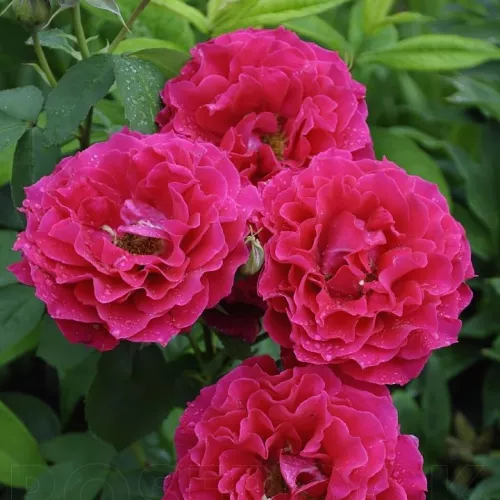
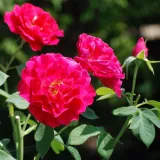
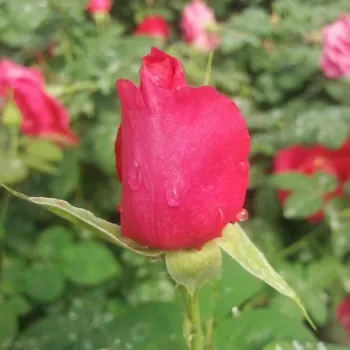
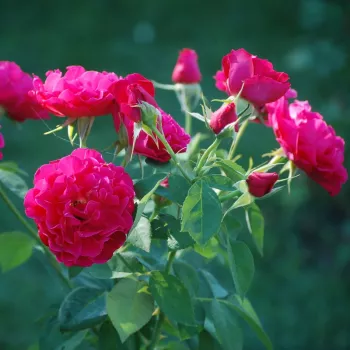
In a compact London front garden or balcony, Souvenir d’Edouard Maubert™ offers an easy, characterful way to green hard surfaces, thriving even where soil is heavy and needs careful drainage. Its medium-sized, very double blooms shift from deep carmine-pink buds to soft rose-quartz tones, creating a gentle balance between vibrant colour and relaxed cottage charm. As an own-root shrub, it settles in reliably, with roots establishing in the first year, framework building in the second, and full ornamental value unfolding by the third for a naturally long lifespan. With an upright habit to around 1–1.4 m, it suits modest spaces, park-style planting or low, informal hedging, particularly in small, rainwater-conscious gardens where managed run-off and resilient planting are a daily concern. Its remontant flowering habit keeps the display going well into late season, while matte, light-green foliage and moderate care needs make ongoing maintenance straightforward for busy owners. Plant it in peat-free compost, pair with silver or blue-toned perennials for extra contrast, and let this Provençelles® shrub bring a quietly romantic accent to your everyday route home.
Usage options
| Target area |
Reasoning |
| Small front garden flower bed |
The upright, 100–140 cm framework and 60–85 cm spread give clear structure without overpowering tight London terraces, offering long-season colour from repeated flushes with only moderate routine care, ideal for busy beginners. |
| Low informal hedge along a path |
Recommended spacing of about 40 cm for hedging allows plants to knit into a softly defined line, while own-root growth supports long-term regeneration if stems are damaged, suiting family households. |
| Rainwater-aware front garden scheme |
Works well beside permeable paving and gravel, coping with typical urban rain and wind when planted in improved, free-draining soil over heavier ground, making it practical for sustainability-minded owners. |
| Mixed shrub and perennial border |
Cup-shaped, carmine-pink to rose-quartz blooms combine easily with airy grasses or perennials, while the moderate height layers neatly in the middle of a border for long-lasting structure for hobby gardeners. |
| Solitary specimen near entrance |
At 75 cm spacing as a single focal plant, very double medium-sized flowers and tidy, matte foliage present a composed look, offering a sense of arrival without demanding complex pruning for time-poor owners. |
| Urban green space or pocket park |
Suitable for modest-maintenance public planting, as own-root shrubs build durable frameworks that can be rejuvenated by harder pruning when required, helping budgets stretch further for community projects. |
| Larger containers on balcony or patio |
Performs well in a generously sized pot of at least 40–50 litres with regular watering and feeding, letting you enjoy a shrub-like effect where soil is unavailable, accessible even to flat dwellers. |
| Clay or chalky suburban garden beds |
Adapts to many UK garden soils when drainage is improved, and its heat tolerance supports extended flowering through warmer spells, offering resilient structure and colour for typical homeowners. |
Styling ideas
- Romantic-terrace – Line a narrow front path with these shrubs and underplant with pink nepeta to mirror the rose tones – ideal for urban couples wanting a soft, feminine welcome.
- Provençal-border – Combine with lavender and blue sedge in a sunny strip for a relaxed, South-of-France feel – suited to homeowners seeking low-fuss, holiday-evoking planting.
- Graphic-edge – Use as a low hedge against dark gravel and clipped box for a neat yet rosy frame – good for design-conscious owners craving structure with seasonal colour.
- Balcony-feature – Grow one plant in a 50-litre container with trailing thyme and sage around the base – perfect for flat dwellers wanting scent and softness above street level.
- Parklet-mix – Pair with Macedonian scabious and ornamental grasses in community parklets – helpful for local groups creating resilient, pretty planting with modest maintenance.
Technical cultivar profile
| Characteristic |
Data |
| Name and registration |
Modern shrub rose; Registered as MASedmaub, marketed as Souvenir d'Edouard Maubert™ Les Provençelles® MASedmaub; bed and flower bed shrub type for garden use. |
| Origin and breeding |
Bred by Dominique Massad in France from Wise Portia × (Magenta × Amber Queen); introduced and registered in 2009 and distributed by specialist French rose nurseries. |
| Growth and structural characteristics |
Upright shrub 100–140 cm tall, 60–85 cm wide, moderately thorny, with moderately dense, matte, light-green foliage; suitable for beds, hedging, solitary planting or small park use. |
| Flower morphology |
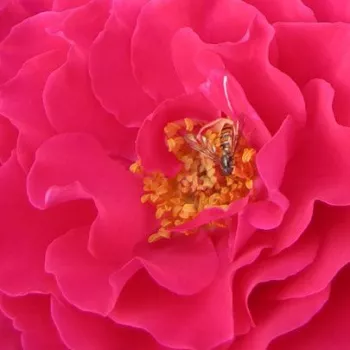
Medium-sized, very double, cup-shaped clusters of 3–7 blooms per stem, with more than 40 petals; remontant habit with a notably abundant second flush in suitable conditions. |
| Colour data and phenology |
Deep carmine-pink buds open to vivid fuchsia-pink, later fading to pale rose-quartz; RHS 55A outer, 55B inner; central golden stamens visible at full bloom; colour retention rated medium. |
| Fragrance and aroma |
Light, softly rose-scented perfume of mild strength; gentle rather than overpowering, adding a subtle sensory layer suitable for entrances and seating areas without being intrusive. |
| Hip characteristics |
Produces small numbers of spherical orange-red hips, around 8–12 mm diameter; hips add occasional late-season interest but are not a dominant ornamental feature on this variety. |
| Resistance and winter hardiness |
Hardy to approximately −21 to −18 °C (RHS H7, USDA 6b, Swedish zone 3); medium resistance to powdery mildew, black spot and rust, with occasional plant protection recommended. |
| Horticultural recommendations |
Best in full sun with improved drainage, especially on clay or chalk; plant 40–75 cm apart depending on use, feed annually, water well in prolonged drought, and prune to maintain shape. |
Souvenir d'Edouard Maubert™ offers long-season colour, compact shrub structure and dependable own-root longevity, making it a thoughtful choice for smaller gardens seeking lasting character; consider it where you want steady beauty with manageable care.