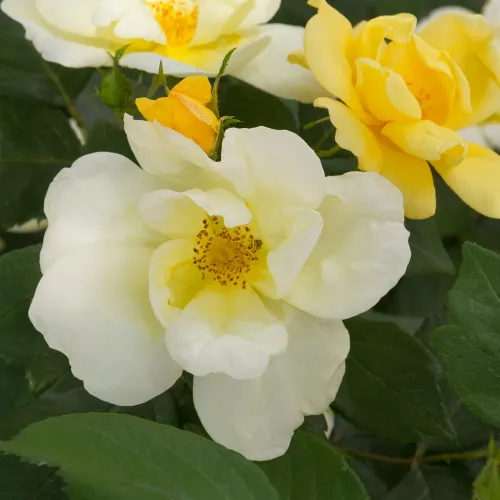
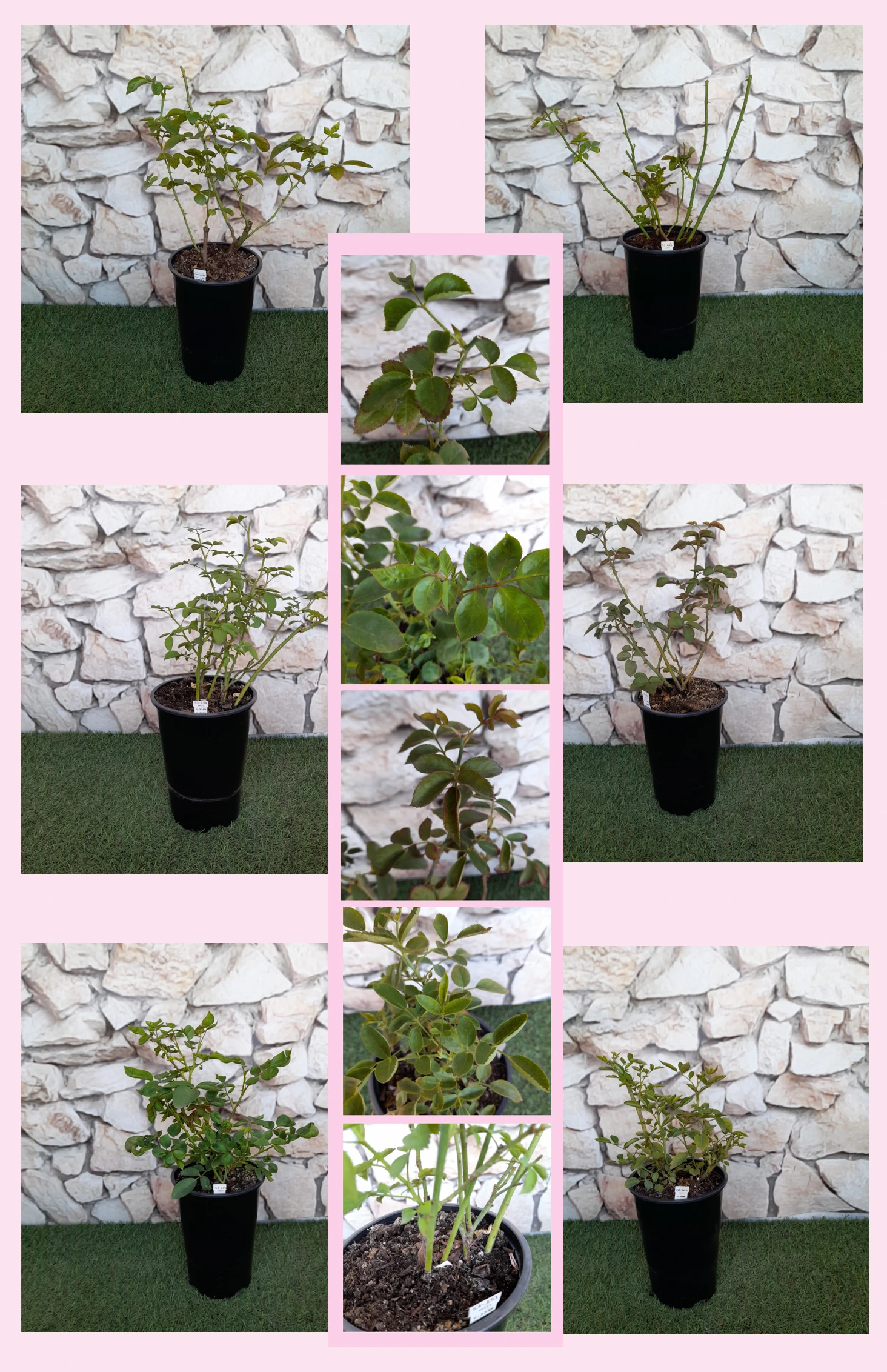
ROSA OMEIENSIS PTERACANTHA – white landscape shrub rose
Imagine a narrow London front garden where rain darkens the path and the translucent red thorns of ROSA OMEIENSIS PTERACANTHA glow against fresh green foliage, giving you a quietly dramatic yet easy-to-manage focal point that copes well with cool, wet, breezy weather and heavier soils. This botanical shrub rose is chosen less for showy blooms and more for its architectural structure, wildlife value and sustainable, low-intervention management. Once established in your garden, its upright, bushy habit forms a dense, protective presence, ideal where you want both privacy and character without constant pruning. In late spring its simple white flowers offer accessible pollen, supporting bees and butterflies in a busy urban setting while you enjoy their mild, sweet fragrance on a quiet evening. As summer moves into autumn, egg-shaped orange-red hips and winged thorns take over as the main display, providing long-season interest for you and food and cover for birds. Being supplied as an own-root plant, this rose builds a naturally resilient framework that reshoots reliably if cut back hard or affected by weather, supporting a long-lived sense of balance in a family garden. Over about three years it progresses from concentrating on roots, to building strong shoots, to delivering its full ornamental impact as a durable, characterful feature.
Usage options
| Target area | Reasoning |
|---|
| Front-garden focal shrub |
Use as a single statement shrub near the boundary or bay window where its upright habit and winged thorns create a striking outline with minimal shaping; ideal if you want drama with very little ongoing care as a busy urban gardener |
| Wildlife-friendly hedge or screen |
Planted in a staggered line at 120 cm spacing, its dense prickliness forms a characterful, almost impenetrable barrier that shelters nesting birds while the simple flowers and hips support pollinators and foraging wildlife for nature-conscious families |
| Low-maintenance, sustainable border |
In a mixed border, its drought tolerance and low maintenance needs reduce watering and pruning, making it well suited to informal, rainwater-fed plantings where you prefer robust, resilient shrubs over labour-intensive roses as a time-poor homeowner |
| Rainwater-friendly front garden |
Combine with permeable gravel or soil-planted strips so rainfall soaks in around its deepening root system, which copes well with typical British swings between wet spells and summer dryness, supporting greener drainage choices for a sustainability-minded gardener |
| Part-shade side return |
Along a north-east or east-facing fence it tolerates partial shade, giving structure and seasonal flowers where light is limited, while its architectural stems remain attractive even when blooms are sparse, suiting a small-plot householder |
| Naturalistic and meadow-style planting |
Threaded through grasses and perennials, its airy white flowers, red thorns and hips echo wild hedgerow character, fitting well into relaxed, nature-first schemes that still feel intentional and designed for a pollinator-supporting gardener |
| Large container feature (40–60 L) |
In a very large, deep container of at least 40–50 litres with peat-free compost and good drainage, it offers shrub presence on paved frontages, coping well with rain-splash and breezier corners typical of exposed streets for an urban balcony owner |
| Resilient family-garden backbone |
Planted in heavier, moisture-retentive soils that are well prepared with added drainage, it establishes into a tough, long-lived framework shrub that shrugs off most weather, giving reliable structure and seasonal interest for a practical family gardener |
Styling ideas
- Glow-at-dusk hedge – Line a front boundary with a loose hedge and underplant with blue sedge to highlight the glowing red thorns at sunset – ideal for evening-walk appreciators
- Botanical feature bed – Centre this species rose in a gravelled bed with nepeta and ornamental grasses for a curated wild look – suited to design-conscious homeowners
- Wildlife ribbon – Run a sinuous strip through lawn with this shrub, interplanted with threadleaf coreopsis and phlox for bees and birds – perfect for family nature-watchers
- Courtyard sentinel – Place a single plant in a 50 L container by your front door, with trailing thyme at the base to soften its strong lines – good for compact urban spaces
- Rain-garden spine – Use it as the structural anchor in a shallow swale, flanked by moisture-tolerant perennials to slow and use roof runoff – designed for eco-focused gardeners
Technical cultivar profile
| Parameter | Data |
|---|
| Name and registration |
Botanical shrub rose sold as ROSA OMEIENSIS PTERACANTHA – white landscape shrub rose; a species-type form with striking winged thorns, grown on its own roots for garden and landscape use. |
| Origin and breeding |
Species shrub of Chinese origin, introduced to European cultivation by Vilmorin-Andrieux & Cie around 1890; exact wild parentage and breeding line are unknown and the variety remains unregistered. |
| Awards and recognition |
Historic ornamental value recognised by the Royal Horticultural Society with a First Class Certificate in the United Kingdom in 1905, reflecting its garden merit and distinct appearance for shrub plantings. |
| Growth and structural characteristics |
Upright, bushy, densely thorned shrub with medium–dark green foliage and a strong architectural outline; forms a substantial, long-lived framework suitable for hedges, structural groups and specimen planting. |
| Flower morphology |
Single, flat, white to creamy flowers with about 5–12 petals, mostly solitary, large for a species rose and once-flowering; the simple form leaves stamens clearly exposed and easy for insects to access. |
| Colour data and phenology |
Pure white to slightly creamy petals (RHS 155C) with a pale yellow to golden ring of stamens; flowers in a generous single flush in late spring to early summer, followed by prominent orange-red egg-shaped hips. |
| Fragrance and aroma |
Delicate, sweet, slightly oily scent of mild strength; noticeable at close range around flowering time but not overpowering, complementing its primary role as an architectural and wildlife-supporting shrub. |
| Hip characteristics |
Produces numerous small, egg-shaped orange-red hips about 8–15 mm across; highly ornamental through autumn and winter, also valued by birds and suitable for seasonal floristry and decorative cutting. |
| Resistance and winter hardiness |
Very hardy shrub (approximately USDA zone 5a, RHS H5, to about −28 °C) with reported resistance to powdery mildew, black spot and rust when well sited; tolerates summer heat and established drought reliably. |
| Horticultural recommendations |
Best in sunny to lightly shaded positions with well-drained soil; plant 120–300 cm apart depending on hedge or specimen use, water to establish, then maintain with minimal pruning focused on shape and renewal. |
ROSA OMEIENSIS PTERACANTHA offers architectural thorns, wildlife-friendly flowers and hips, and long-lived stability from its own-root form; consider it if you want a distinctive, low-maintenance structural rose.