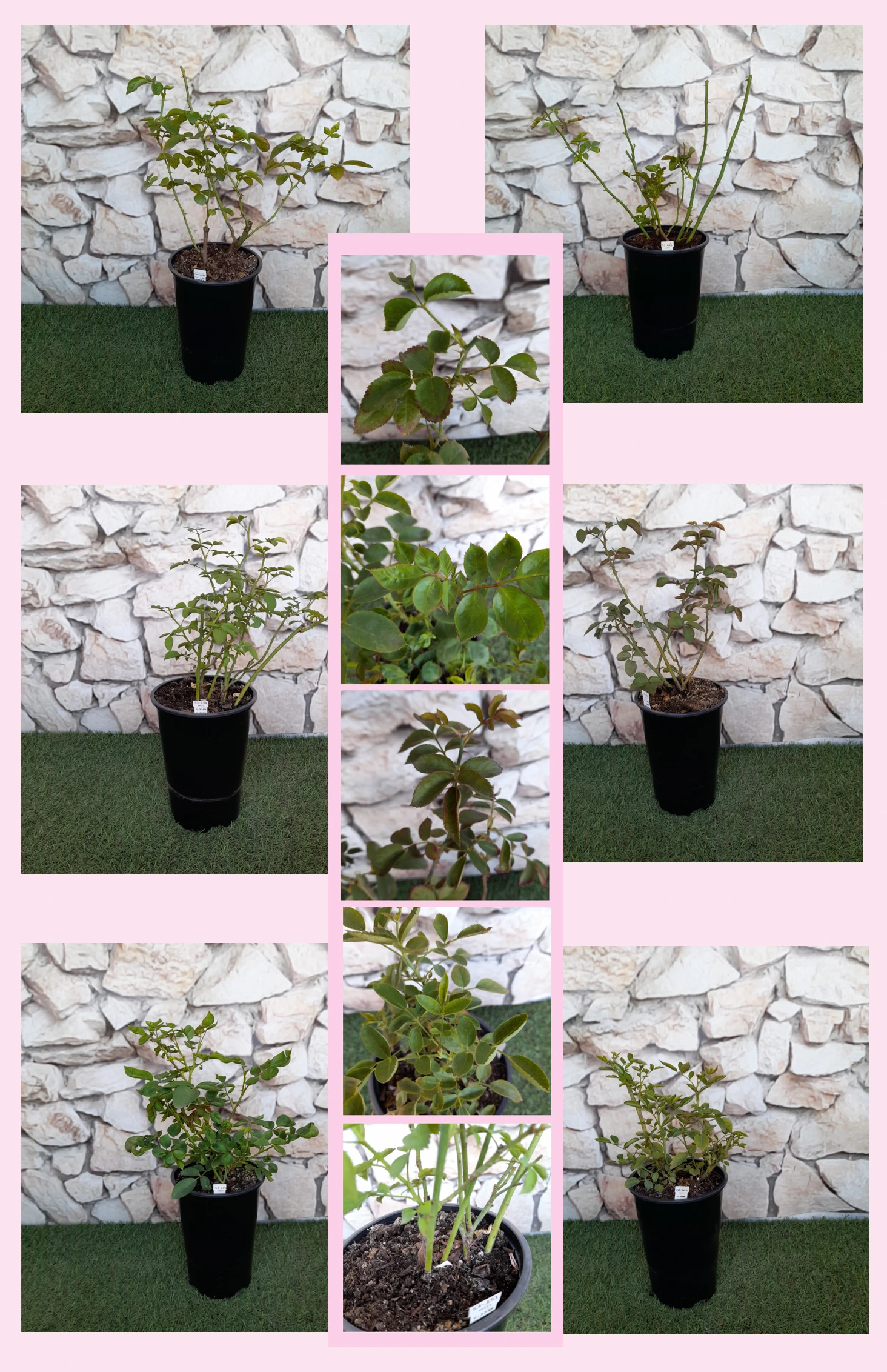
TANDINADI – yellow bedding floribunda rose - Tantau
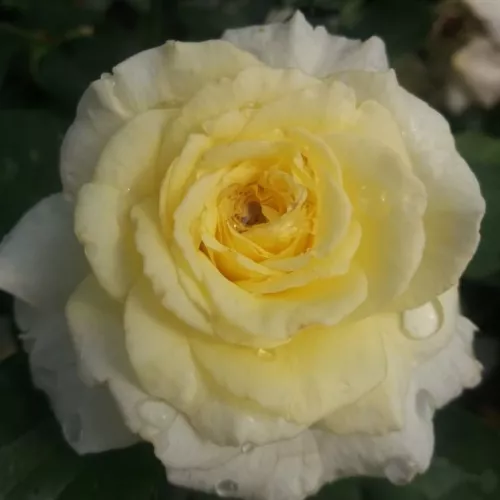
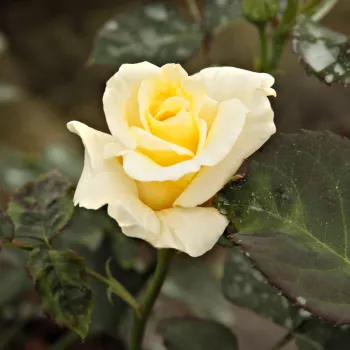
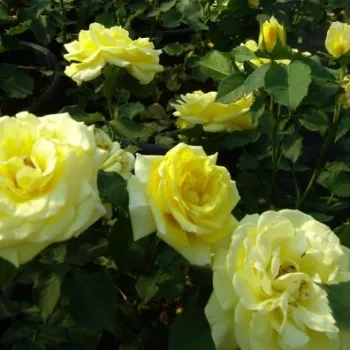
Step out to your front garden after rain and TANDINADI greets you with soft, sun-yellow clusters that keep returning all season, lending a sense of balance to compact London spaces. This floribunda has an upright, manageable habit, ideal for “girly” terraces and small family plots where you want dependable colour rather than demanding chores, while its semi-double blooms offer a gently pollinator-friendly landing point. Bred by Rosen Tantau, it is supplied as an own-root, 2-litre plant designed for long-term resilience, settling in steadily as roots establish in year one, shoots and shape follow in year two and, by year three, it reaches full ornamental impact. On heavy soils it responds well to improved drainage and careful watering that supports sustainable rainwater use, helping you manage wetter spells without fuss. Its mid-green, glossy foliage underlines a clean, modern aesthetic, while the mild fragrance and gentle colour shifts from lemon to buttery cream keep the overall effect soothing. In containers or narrow beds, its measured height and spread make it easy to incorporate into existing planting, giving you reliable flowering with minimal intervention.
Usage options
| Target area | Reasoning |
|---|
| Front garden bedding for terraced houses |
The compact, upright habit and medium height suit narrow, street-facing beds where space is limited yet a strong visual presence is needed. Repeating yellow clusters create a welcoming entrance and remain tidy alongside paths and boundary railings for style-conscious beginners. |
| Pollinator-supportive mixed border |
Semi-double flowers with accessible stamens offer moderate nectar resources through a long flowering period, supporting bees and hoverflies without overwhelming the planting scheme. The calm, even yellow integrates well with perennials to form a wildlife-aware display for eco-minded gardeners. |
| Low-maintenance family flower bed |
Moderate disease resistance and a steady, remontant habit mean colour returns with routine care rather than specialist attention. Own-root plants recover more reliably from accidental damage, helping busy households maintain a good-looking bed through normal family wear and tear for busy urban gardeners. |
| Rainwater-conscious urban planting |
The rose performs reliably when drainage is improved, fitting schemes where downpipes feed small beds or planters so excess water can soak away gradually. This supports thoughtful use of runoff in built-up streets and echoes an interest in environmentally aware design for sustainability-focused owners. |
| Container or large pot on balcony or patio |
An upright structure and controlled spread suit 40–50 litre or larger containers, where roots have room to develop for long-term stability. Repeating clusters lend season-long structure to small terraces, particularly where permanent borders are not possible for balcony and patio gardeners. |
| Informal hedge or low seasonal divider |
At 70–100 cm high, planted 50 cm apart, it forms a low ribbon of soft yellow that gently defines boundaries without feeling imposing. The moderate foliage density allows light through, keeping front gardens airy while still offering a sense of enclosure for family-home owners. |
| Colour accent in sustainable planting schemes |
The clear sun-yellow flowers fade softly to creamy tones, pairing well with dwarf lavender, sedges and daisies in water-wise or peat-free schemes. Consistent colour through repeated flushes ensures a stable highlight among grasses and perennials for design-conscious planters. |
| Long-term structural rose in small gardens |
As an own-root plant, TANDINADI builds strength gradually and can live and perform for many years without the graft-union weaknesses of budded roses, combining reliable flowering and structural presence with modest routine care for long-view garden planners. |
Styling ideas
- Soft-Entry Border – Plant TANDINADI in a single row along a short front path, underplanted with dwarf lavender and Mexican daisy for a gentle, feminine welcome – ideal for terraced-house entrances.
- Balcony-Focus Pot – Use one plant in a 50–60 litre container with peat-free compost, adding trailing Erigeron around the rim for movement and texture – suitable for renters seeking a movable focal point.
- Sunny-Ribbon Hedge – Create a low, informal divider by spacing plants 50 cm apart and edging with dwarf sedge for year-round structure – good for families wanting subtle zoning in small gardens.
- Pollinator-Strip – Combine with nepeta, sage and single-flowered perennials to build a softly buzzing yellow and blue strip along a drive – perfect for wildlife-aware city gardeners.
- Rain-Garden Pocket – Position near a downpipe in a well-drained, gravel-mulched bed with grasses to catch and filter roof water – appealing to homeowners planning climate-resilient front gardens.
Technical cultivar profile
| Property | Data |
|---|
| Name and registration |
Floribunda bedding rose, registered as TANdinadi, marketed as Tandinadi Bedding rose TANdinadi and also known in exhibition circles under the approved name Diana®, for floribunda show classes. |
| Origin and breeding |
Bred by Mathias Tantau Jr. for Rosen Tantau, Uetersen, Germany; breeding completed in 1977, registered 1977 and introduced 1978, with parentage not recorded in current reference material. |
| Growth and structural characteristics |
Compact, upright floribunda reaching around 70–100 cm high and 55–85 cm wide, with moderately dense, mid-green glossy foliage and moderate prickliness, forming a neat, bushy shrub for beds and containers. |
| Flower morphology |
Semi-double, ball to pompon-shaped clusters, typically 13–25 petals per bloom, medium-sized flowers of about 4–7 cm across, borne in trusses that repeat freely in abundant flushes through the season. |
| Colour data and phenology |
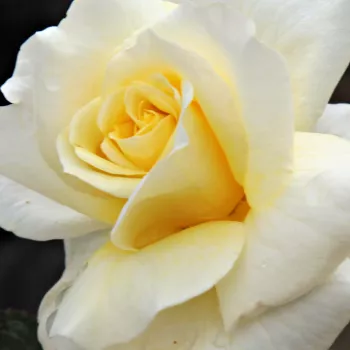
Clean, sun-yellow petals (RHS 12A, 9B) open lemon-yellow, deepen slightly, then fade to buttery and creamy pale yellow, often paler at the edges, giving gentle tonal variation as each cluster ages. |
| Fragrance and aroma |
Soft, restrained fragrance with a mild, unobtrusive character; present but not overpowering, making the variety suitable for siting near entrances or seating where strong perfume is not desired. |
| Hip characteristics |
Occasionally forms small, spherical orange-red hips about 10–14 mm across, adding discreet late-season interest, though production is irregular and best regarded as a minor ornamental bonus. |
| Resistance and winter hardiness |
Rated to about –21 to –18 °C (H7; USDA 6b, Swedish zone 3) with moderate resistance to powdery mildew, black spot and rust, performing reliably under average UK conditions with basic preventive care. |
| Horticultural recommendations |
Best in sunny sites with improved drainage on heavy soils; space 50–100 cm depending on use, 2.8–3.2 plants/m² for massing; suitable for beds, parks, containers and standard forms with medium maintenance. |
TANDINADI offers long-season yellow flowering, moderate pollinator appeal and compact structure as a durable own-root rose, making it a thoughtful choice for understated yet enduring front gardens.