TANGER™ – pink-yellow hybrid tea rose - Dot
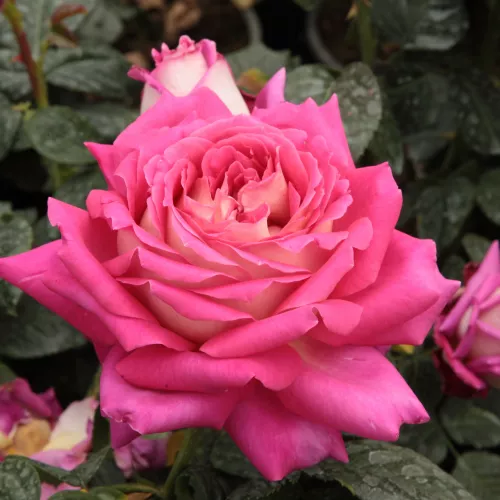
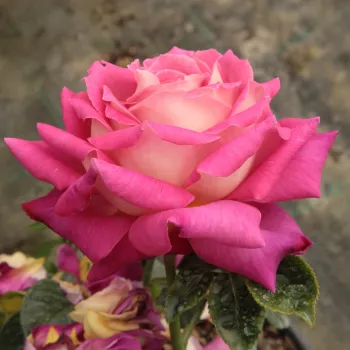
Step towards your front door through a haze of colour and gentle fragrance, where TANGER™ brings a refined, exhibition-style presence into a real-life London terrace garden. This compact hybrid tea rose offers a calm sense of balance, its creamy, peach-tinted centres framed by raspberry-pink outer petals, echoing the mood of a narrow path in post-rain air as it quietly shrugs off typical British drizzle and blustery coastal showers. Grown on its own roots for dependable longevity, it settles in steadily, rewarding you with a neat, upright habit that fits small urban borders and generous containers from 40–50 litres upwards. With moderate disease resistance helping to limit spraying, and blooms that repeat through the season for regular cutting, you can enjoy sustainable, low-fuss elegance and trust this rose to become a long-term feature of your family garden.
Usage options
| Target area |
Reasoning |
| Front-garden focal point by the path |
The compact, upright growth habit keeps TANGER™ tidy beside a narrow terrace-house path, while its sculpted hybrid tea blooms give a smart, welcoming look without overwhelming the space – ideal for the time-pressed homeowner. |
| Cutting patch for home arrangements |
High-petal-count, chalice-shaped flowers on straight stems are naturally suited to cutting, with a light, fresh scent that works well in vases; the remontant habit ensures a steady supply – perfect for the creative hobby-gardener. |
| Small, rainwater-fed front border |
Moderate disease resistance and reliable flowering make this rose easy to combine with permeable gravel or low planting, so diverted rainwater soaks in without creating a muddy eyesore – reassuring for the sustainability-minded city-dweller. |
| Statement rose in a large container |
Roots remain compact enough for a 40–50 litre pot, where the upright structure and repeat-flowering habit provide long-lasting colour on balconies or paved forecourts – convenient for the space-conscious balcony-owner. |
| Feature plant in a mixed sunny border |
The raspberry-pink and cream bicolour blends beautifully with soft purples and grasses, while medium height and neat spread allow easy underplanting and access for maintenance – suitable for the style-aware garden-planner. |
| Low-maintenance family rose bed |
Moderate black-spot and mildew resistance, combined with own-root robustness, reduces replacement and intensive care over the years, even in typical damp UK summers – a comfort for the busy parent-gardener. |
| Season-long interest by seating areas |
Remontant flowering with a good second flush ensures colour from early summer into autumn, maintaining visual interest where you sit with a book or coffee – appealing to the relaxation-seeking beginner. |
| Long-term investment planting |
As an own-root shrub it establishes steadily, building roots in the first year, stronger top growth in the second, and full ornamental value from the third, offering durable structure and bloom – ideal for the future-focused planner. |
Styling ideas
- Terrace Welcome – Pair TANGER™ with low lavender and slate chippings for a fragrant, rainwater-permeable front step vignette – ideal for design-conscious small-space owners.
- Pastel Border – Combine with Nepeta, soft pink salvias and ornamental grasses to echo its raspberry-and-cream tones – suited to cottage-style family gardens.
- Cutting Corner – Plant in a sunny square with Hemerocallis fulva and Oriental poppies for a bold picking patch – perfect for home florists who enjoy regular bouquets.
- Container Focus – Grow in a 50-litre tub with thyme and trailing ivy underneath for a lush doorway accent – good for paved front gardens without open soil.
- Neat Hedge – Use a row at 50 cm spacing with Lonicera nitida ‘Maigrün’ edging to create a structured, colourful boundary – attractive for those seeking order with romance.
Technical cultivar profile
| Characteristic |
Data |
| Name and registration |
TANGER™ hybrid tea rose by Dot, a hybrid tea group cultivar offered as an own-root, container-grown garden rose; ARS exhibition name ‘Tanger’; not formally registered as a separate cultivar. |
| Origin and breeding |
Bred by Pedro Dot in Spain in 1949 from ‘Condesa de Sástago’ × ‘Peace’; introduced in the same year and now supplied for gardens as an own-root plant for long-term landscape use. |
| Growth and structural characteristics |
Compact, upright shrub 85–115 cm high and 65–95 cm wide, with moderately dense, mid-green, slightly glossy foliage and moderate thorns; best effect at 55–90 cm spacing depending on use. |
| Flower morphology |
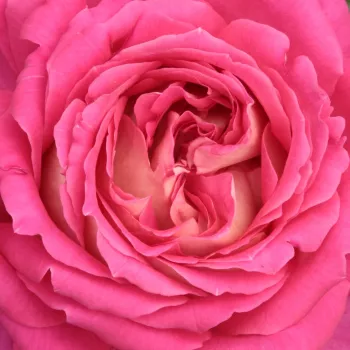
Hybrid tea, solitary, very full blooms with 40+ petals, medium-sized chalice-shaped flowers on upright stems; remontant with a generous second flush given good light, feed and deadheading. |
| Colour data and phenology |
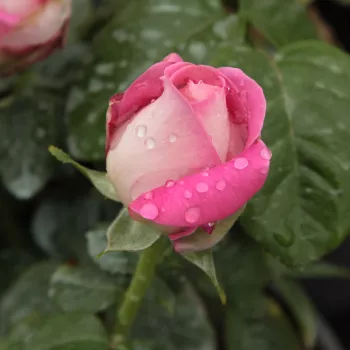
Strong bicolour effect: deep pink outer petals (RHS 53A) and creamy inner surfaces (RHS 13B), shifting towards salmon-rose and cream as blooms age; red tones hold better in cooler, less intense sun. |
| Fragrance and aroma |
Light, fresh rose fragrance of understated intensity, noticeable at close range rather than across the garden; subtle enough for seating areas and cut stems indoors without overwhelming small rooms. |
| Hip characteristics |
Occasional egg-shaped red hips (RHS 46A), around 8–12 mm in diameter, forming where spent blooms are not removed; visually discreet but adding a modest seasonal detail in late season. |
| Resistance and winter hardiness |
Hardy to about −21 to −18 °C (RHS H7, USDA 6b, Sweden zone 3); moderate overall disease resistance with good tolerance of mildew and black spot, but rust may appear in humid seasons. |
| Horticultural recommendations |
Best in full sun with fertile, well-drained soil; water regularly in dry spells, especially in containers; maintain with deadheading and light pruning; medium care level with occasional plant protection. |
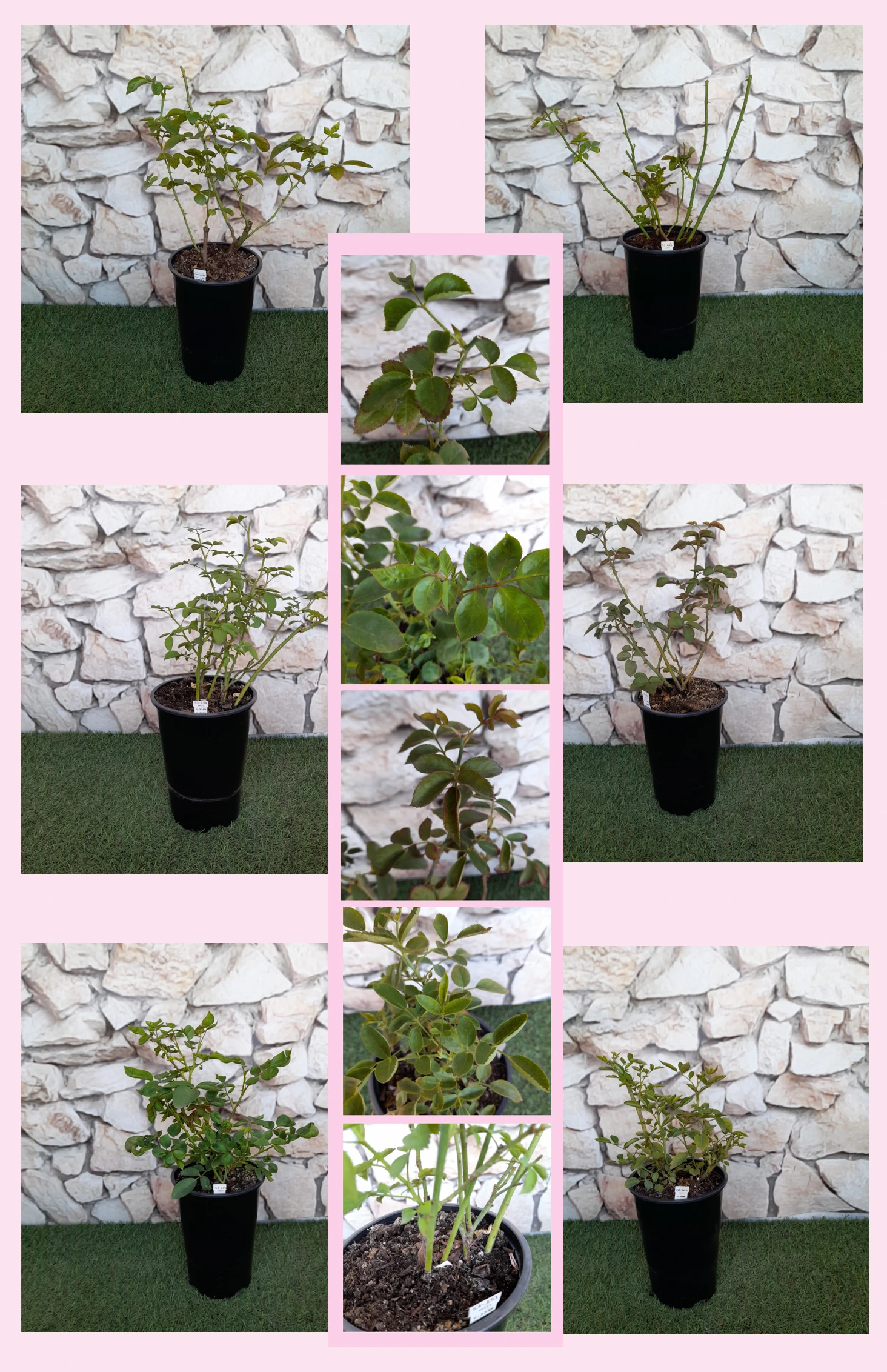
TANGER™ – pink-yellow hybrid tea rose - Dot offers compact structure, repeat flowering and own-root longevity in a manageable 2-litre form, making it a thoughtful choice for enduring, low-fuss colour in smaller gardens.