TANKLEWI® – pink climber (rambling rose) - Tantau
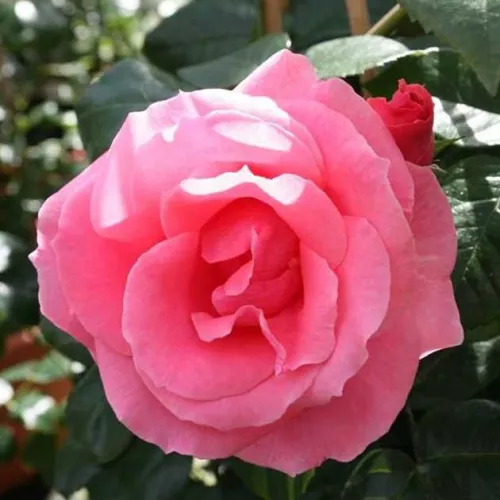
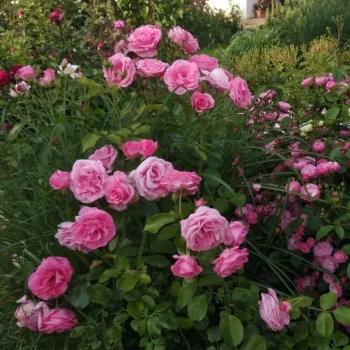
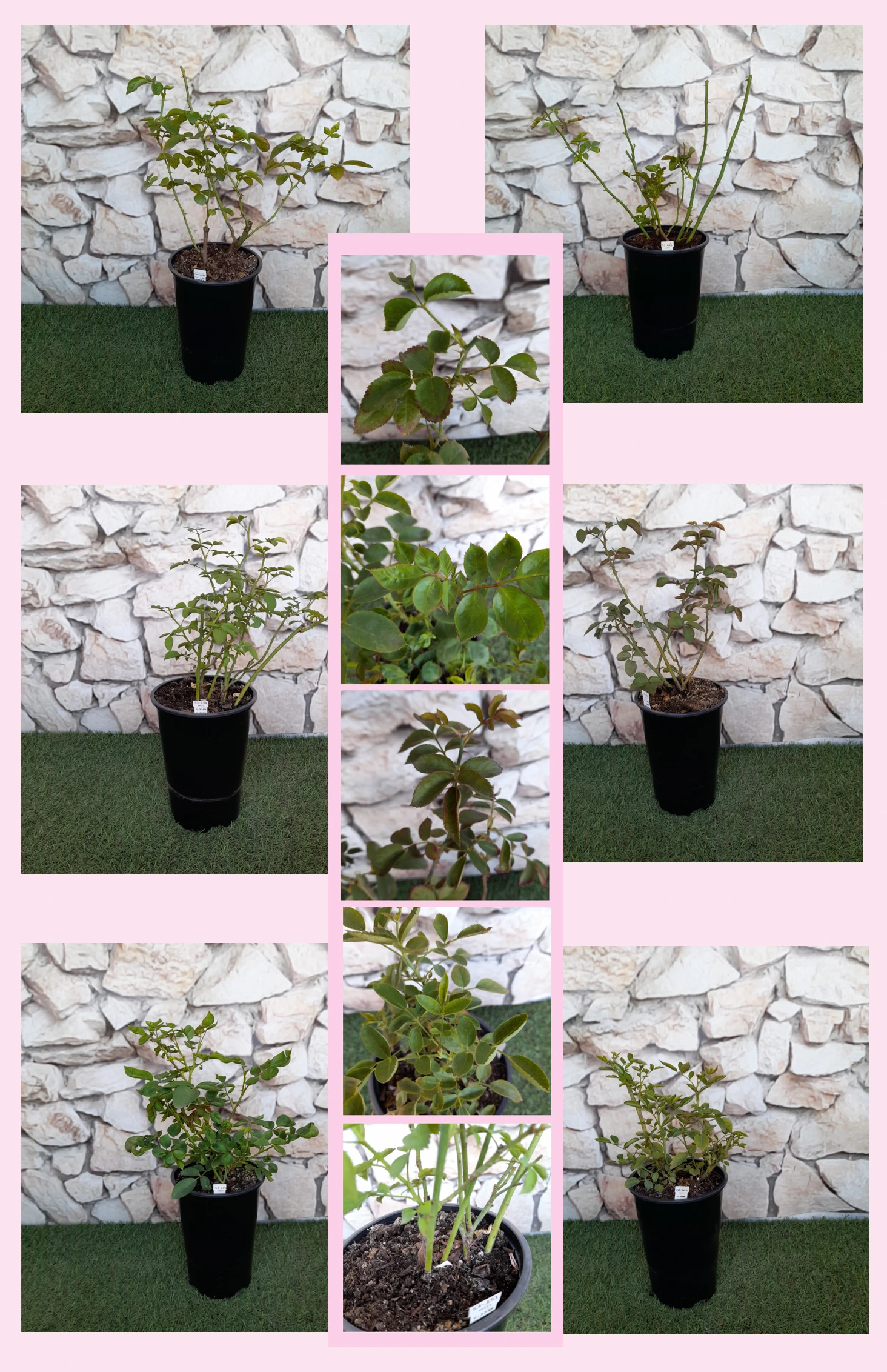
Step out after rain and let the Lawinia fragrance of TANKLEWI® guide you along a narrow path, its petals a soothing mid‑pink that softens to pastel against dark, glossy foliage. Bred by Rosen Tantau, this long‑lived climber settles in steadily: roots in the first year, stronger shoots in the second, and full ornamental value by the third. Its reliable repeat flowering keeps walls, arches and railings in colour well into autumn, while the own‑root form offers reassuring resilience, easy regrowth after pruning, and a naturally balanced habit with no graft union to manage. Tolerant of wind, it suits small London front gardens where rainfall and grey days are part of the charm, especially when you use rainwater wisely and ensure good drainage on heavier soils. With moderate maintenance needs and a strong, fruity perfume, it is a practical choice for busy urban gardeners seeking calm, sustainable structure.
Usage options
| Target area | Reasoning |
|---|
| Front‑garden rose arch in a terraced street |
Trains easily over a simple arch, using its tall, flexible canes and dense foliage to frame a small path without overwhelming neighbouring plots; own‑root vigour gives long-term structure for scent and privacy for busy urban beginners |
| South‑ or west‑facing house wall |
Ideal for clothing warm brickwork with season‑long mid‑pink blooms and glossy greenery, while own‑root growth ensures the plant matures steadily into a stable, long‑lived vertical feature for homeowners seeking permanence |
| Rainwater‑friendly railings or fence line |
Works well where downpipes or permeable front drives collect water, provided drainage is sound; its climbing habit turns functional railings into a soft, scented boundary, well suited to changeable wet, breezy conditions for sustainability‑minded gardeners |
| Pergola or walkway for evening fragrance |
Strong, sweet, fruity perfume and repeat flowering make it excellent where you pass frequently, with own‑root resilience supporting reliable regrowth when canes are renewed after several seasons for families enjoying outdoor evenings |
| Statement specimen on a single sturdy support |
Given a strong obelisk or post, it forms an upright column of pink clusters and dark leaves, the own‑root system helping it recover if pruned hard and keeping the display even from base to tip for design‑conscious small‑garden owners |
| Large container against balcony or courtyard wall |
Suitable for a minimum 40–50 litre pot with rich, peat‑free compost and regular watering, where its controlled maintenance needs and compact footprint give vertical colour and scent without complex care for time‑pressed balcony gardeners |
| Mixed boundary with perennials and grasses |
Combines well with airy companions such as scabious or bearded iris, its repeat clusters providing a pink anchor while own‑root longevity keeps the structure reliable beside more short‑lived perennials for informal cottage‑style enthusiasts |
| Screening between neighbouring gardens |
Densely foliated canes create a soft, living screen; medium disease resistance and good black‑spot tolerance support a neat appearance in humid, wind‑exposed spots that echo everyday British weather patterns for neighbours sharing boundaries |
Styling ideas
- Pastel-arch – Train TANKLEWI® over a narrow arch with soft pink clusters, underplant with Gypsophila repens and pale nepeta for a cloud‑like, romantic entrance – ideal for terrace fronts wanting a “girly” welcome
- Brick-softener – Soften a plain brick wall by fan‑training the climber, then edge the base with low lavender or sage to echo the pink blooms – for homeowners aiming at a classic yet low‑fuss frontage
- Balcony-screen – Grow in a 50‑litre trough with a trellis, pairing with drought‑tolerant herbs to create scented privacy and year‑round greenery – perfect for city balconies needing gentle enclosure
- Perennial-weave – Let canes thread through bearded iris and ornamental grasses, so pink clusters hover above shifting foliage for a relaxed, modern look – suited to small gardens chasing movement and texture
- Evening-path – Line a short path with two arches clothed in TANKLEWI®, interplanted with scabious for extra dots of colour and movement – for families who savour evening strolls in scented calm
Technical cultivar profile
| Characteristic | Data |
|---|
| Name and registration |
Climbing rose cultivar TANklewi, marketed as Tanklewi® Climbing rose TANklewi; also exhibited as Lawinia in shows, classified as a large-flowered climber for garden and exhibition use. |
| Origin and breeding |
Bred by Mathias Tantau Jr. of Rosen Tantau, Germany, with parentage unrecorded; introduced and registered in 1980, reflecting classic German climbing-rose breeding of the late twentieth century. |
| Growth and structural characteristics |
Vigorous climbing habit reaching about 250–400 cm high and 150–260 cm wide, with dense, glossy dark green foliage and moderate prickliness, suitable for training on arches, walls or robust supports. |
| Flower morphology |
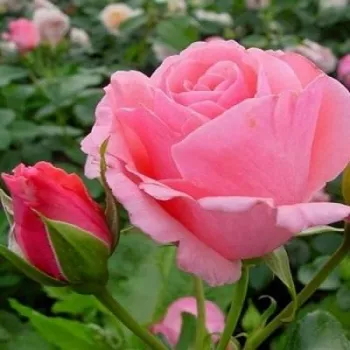
Large, double, cup-shaped blooms with approximately 26–39 petals, borne mainly in clusters; remontant with an especially abundant second flush, offering repeated display through the main season. |
| Colour data and phenology |
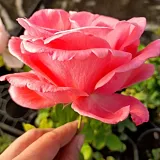
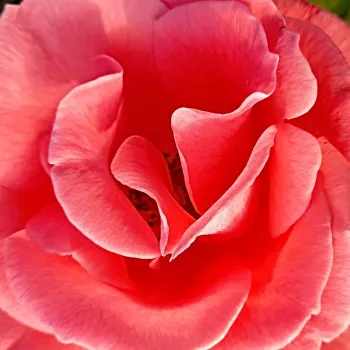
Mid-deep pink with a soft coral undertone (RHS 57C outer, 62D inner), opening from raspberry-tinted buds then gently fading to pastel; retains a harmonious, even pink impression at full bloom on the plant. |
| Fragrance and aroma |
Strong, sweet, fruity scent typical of scented garden climbers, noticeable on still, humid days and well suited to paths, seating areas and entrances where fragrance can be appreciated at close quarters. |
| Hip characteristics |
Occasional small, spherical orange-red hips about 10–15 mm across, colouring to approximately RHS 42A; decorative in autumn but not typically produced in large quantities on well-dead‑headed plants. |
| Resistance and winter hardiness |
Hardy to around −21 to −18 °C (USDA 6b, RHS H7, Swedish Zone 3), with good heat tolerance; generally resistant to black spot, but only medium resistance to powdery mildew and rust in humid seasons. |
| Horticultural recommendations |
Best on well-drained soil with regular watering in drought; plant 190–320 cm apart depending on use, allow strong support, and dead‑head to encourage remontancy; performs in full sun or light partial shade. |
TANKLEWI® offers a tall, strongly fragrant, repeat-flowering pink curtain for arches and walls, with own-root durability giving dependable regrowth and long life, making it a thoughtful choice for a lasting family garden feature.