THÉRÈSE BUGNET – pink park rose - Bugnet
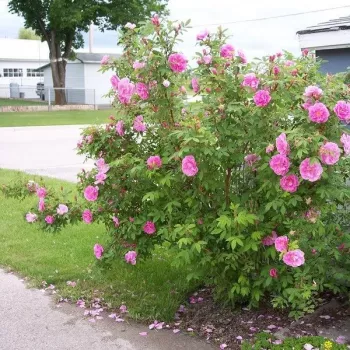
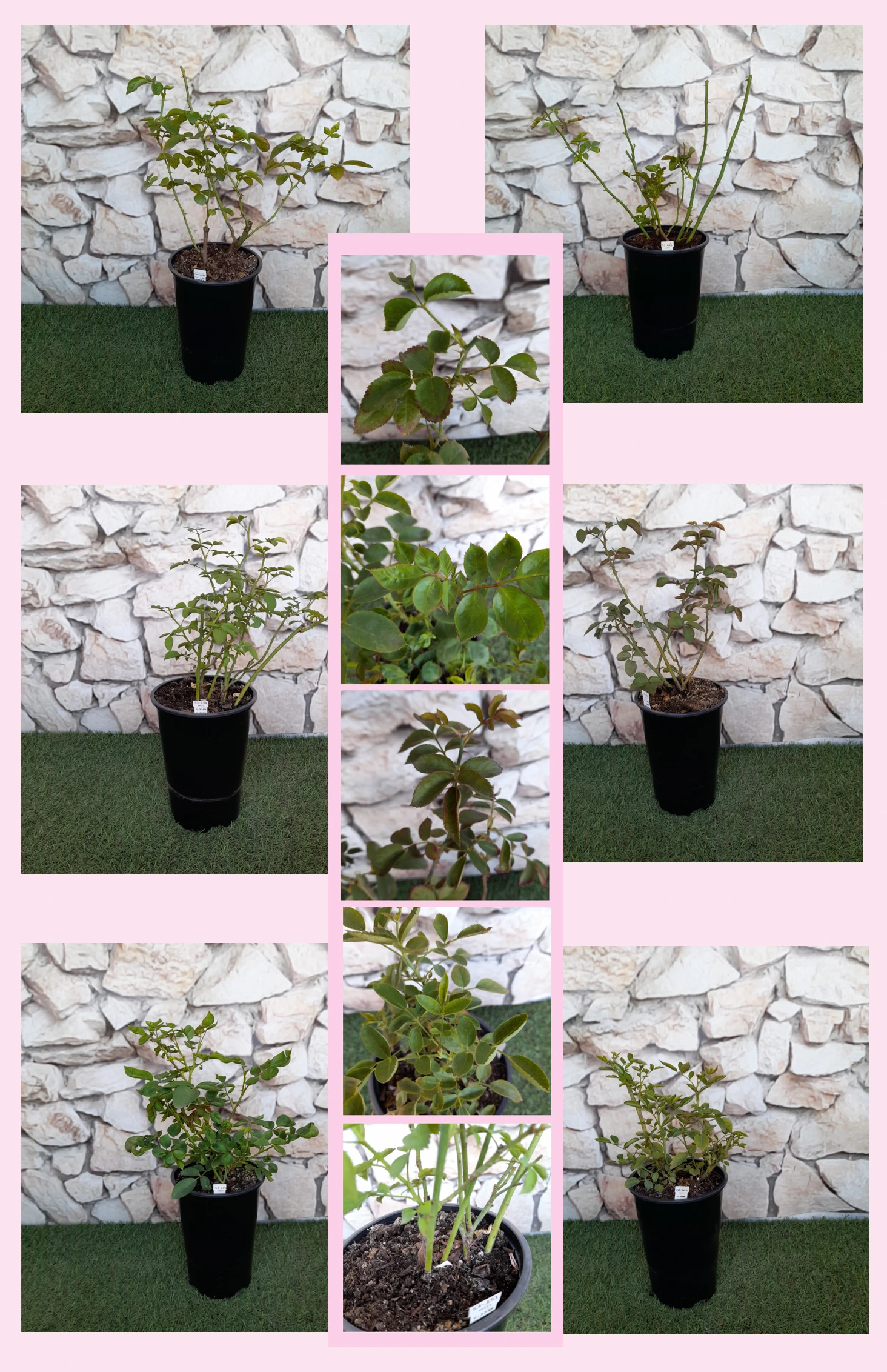
Step through your front gate and along a narrow, post-rain path edged with Thérèse Bugnet, where clusters of mid-pink blooms release a spicy-fruity perfume and settle calmly into windy, rain-soaked, heavy-soil British conditions with reassuring ease. This classic shrub rose grows into a bushy, softly screening presence that feels instantly established yet remains surprisingly manageable for beginners. On its own roots it develops a deep, resilient framework that quietly regenerates after pruning or weather stress, supporting a long, low-maintenance life in a modest-sized family garden. The planting rhythm is simple: roots first, then stronger shoots, then full garden presence over the first three seasons, so you can plan your space with confidence. Use collected rainwater, pair it with relaxed grasses or herbs and enjoy a sustainable, low-effort hedge or specimen that matures into a long-lived, hardy structure for your front garden. Its dense foliage, slight thorniness and soft colour palette bring a quietly romantic, “girly” feel to small city plots while staying tough, weatherproof and reassuringly easy to live with.
Usage options
| Target area |
Reasoning |
| Front-garden hedge along a narrow path |
The tall, bushy habit and dense foliage create an elegant privacy screen with soft mid-pink flowers and strong fragrance, ideal for edging a short London front path while remaining easy to manage for a busy urban gardener |
| Large container or half-barrel (40–50 litres minimum) |
In a substantial peat-free container of at least 40–50 litres, its own-root system builds long-term strength, giving a durable, scented feature by the front door with only occasional pruning for the beginner home-owner |
| Rain-tolerant backbone in heavy or clay-based borders |
Its Canadian heritage, robust shrub framework and strong disease resistance allow it to cope with wet, exposed, clay-based British borders, offering reliable structure in gardens where rain and wind regularly test a sustainability-minded owner |
| Mixed “girly” cottage-style planting in a small city garden |
The pastel-fading pink blooms and romantic clusters blend beautifully with lavender, catmint or airy perennials, creating a soft, feminine feel in limited space without demanding intensive care from a style-conscious beginner |
| Low-maintenance family play-garden backdrop |
Good hardiness, low maintenance needs and slight, not aggressive, prickliness make it a practical, long-lived backdrop at the edge of lawns or play areas, leaving more time and energy for a family-focused gardener |
| Informal park-style shrub in small private gardens |
As a solitary shrub it develops into a graceful, park-like presence with fragrant mid-pink flowers and matt dark foliage, bringing classic public-garden atmosphere into a modest plot enjoyed by a weekend hobby gardener |
| Season-long scented focal point near seating |
Its remontant flowering and strong, spicy-fruity fragrance create a repeatedly scented focal point beside a bench or terrace, extending enjoyment of warm evenings with minimal fuss for a fragrance-loving owner |
| Hardy structural rose for exposed or coastal sites |
Exceptional winter hardiness, good heat and drought tolerance, and resistance to major fungal diseases make it reassuringly dependable where wind, salt-laden air and unpredictable weather challenge a climate-aware gardener |
Styling ideas
- Romantic-hedge – Plant a staggered, slightly wavy line along a front boundary, underplanting with low catmint and pale pink geraniums for a soft, feminine screen – ideal for terrace-house front gardens.
- Porch-centrepiece – Grow one plant in a 50-litre half-barrel, adding trailing thyme and a skirt of lavender for fragrance at different heights – perfect for busy homeowners wanting instant impact.
- Clay-border – Use as the taller backbone of a heavy-soil bed with switchgrass, St John’s wort and tall phlox for texture and colour – suited to gardeners coping with wet, exposed plots.
- Reading-nook – Place a single shrub by a small bench, with sage, nepeta and soft ornamental grasses around the base to frame a quiet, scented corner – appealing to fragrance enthusiasts.
- Girly-mix – Combine with white foxgloves, soft pink phlox and silvery foliage for a pastel, “girly” feel in compact urban gardens – great for novice gardeners seeking easy romance.
Technical cultivar profile
| Attribute |
Data |
| Name and registration |
THÉRÈSE BUGNET – shrub rose in the Park group, commercial type park rose; ARS exhibition name ‘Thérèse Bugnet’, unregistered cultivar name, marketed widely in Europe and the UK. |
| Origin and breeding |
Hybrid Rugosa shrub bred by Georges Charles Julius Bugnet in Canada in 1941 from a Rosa rugosa seedling × ‘Betty Bland’; introduced to commerce in 1950 by regional distributors. |
| Growth and structural characteristics |
Bushy, upright shrub 130–200 cm high and 110–180 cm wide with dense, matt dark green foliage and slightly thorny shoots, building a substantial, long-lived framework for hedging or specimens. |
| Flower morphology |
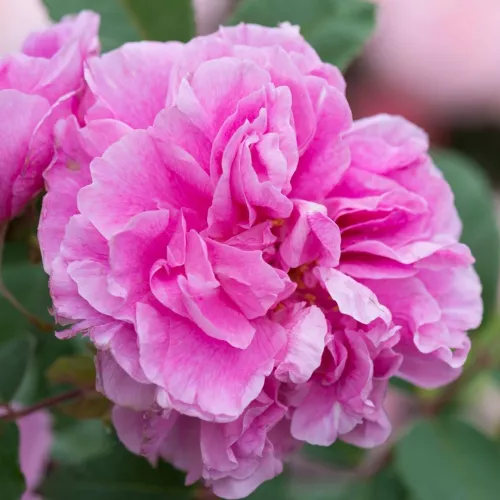
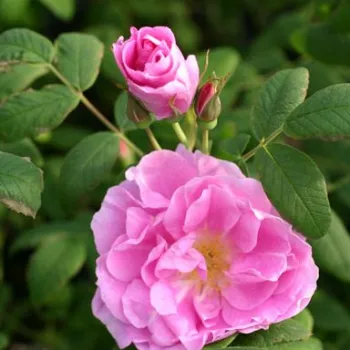
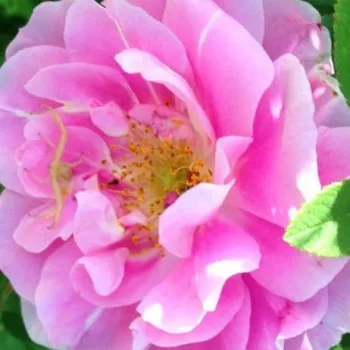
Medium-sized, double, cupped blooms with 26–39 petals, carried in clusters; remontant with a lighter second flush, well suited to informal hedges, mixed borders and cutting for scented indoor use. |
| Colour data and phenology |
Warm mid-pink flowers (RHS 68C outer, 68D inner) opening from deep pink buds, then fading to pastel tones and almost white at the centre in strong sun, giving varied, softly blended colour effects. |
| Fragrance and aroma |
Strong, distinctive scent combining classic rose notes with spicy-fruity nuances; fragrance is noticeable in still air and effective for perfuming small seating areas or cut stems brought indoors. |
| Hip characteristics |
Occasional ovoid orange-red hips, around 14–22 mm across, adding late-season interest; typically modest in number, more decorative than functional for wildlife or culinary use in most gardens. |
| Resistance and winter hardiness |
Outstanding cold hardiness (USDA 2a, RHS H7) and good heat and moderate drought tolerance; noted resistance to powdery mildew, black spot and rust, ideal for low-spray or no-spray plantings. |
| Horticultural recommendations |
Best at 85–155 cm spacing depending on hedge or specimen use; thrives in sun or light shade, in well-drained soil, with low maintenance needs limited mainly to formative and renewal pruning. |
THÉRÈSE BUGNET offers fragrant repeat flowers, exceptional hardiness and long-term shrub structure on its own roots, making it a thoughtful choice for an enduring, low-effort family garden feature.