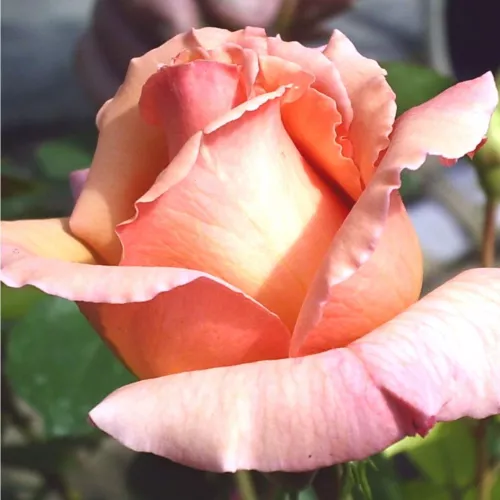
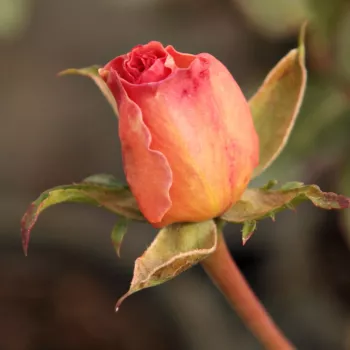
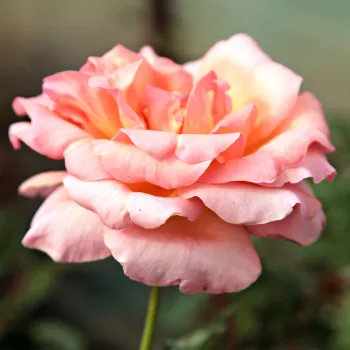
TIFFANY – pink tea-hybrid rose – Lindquist
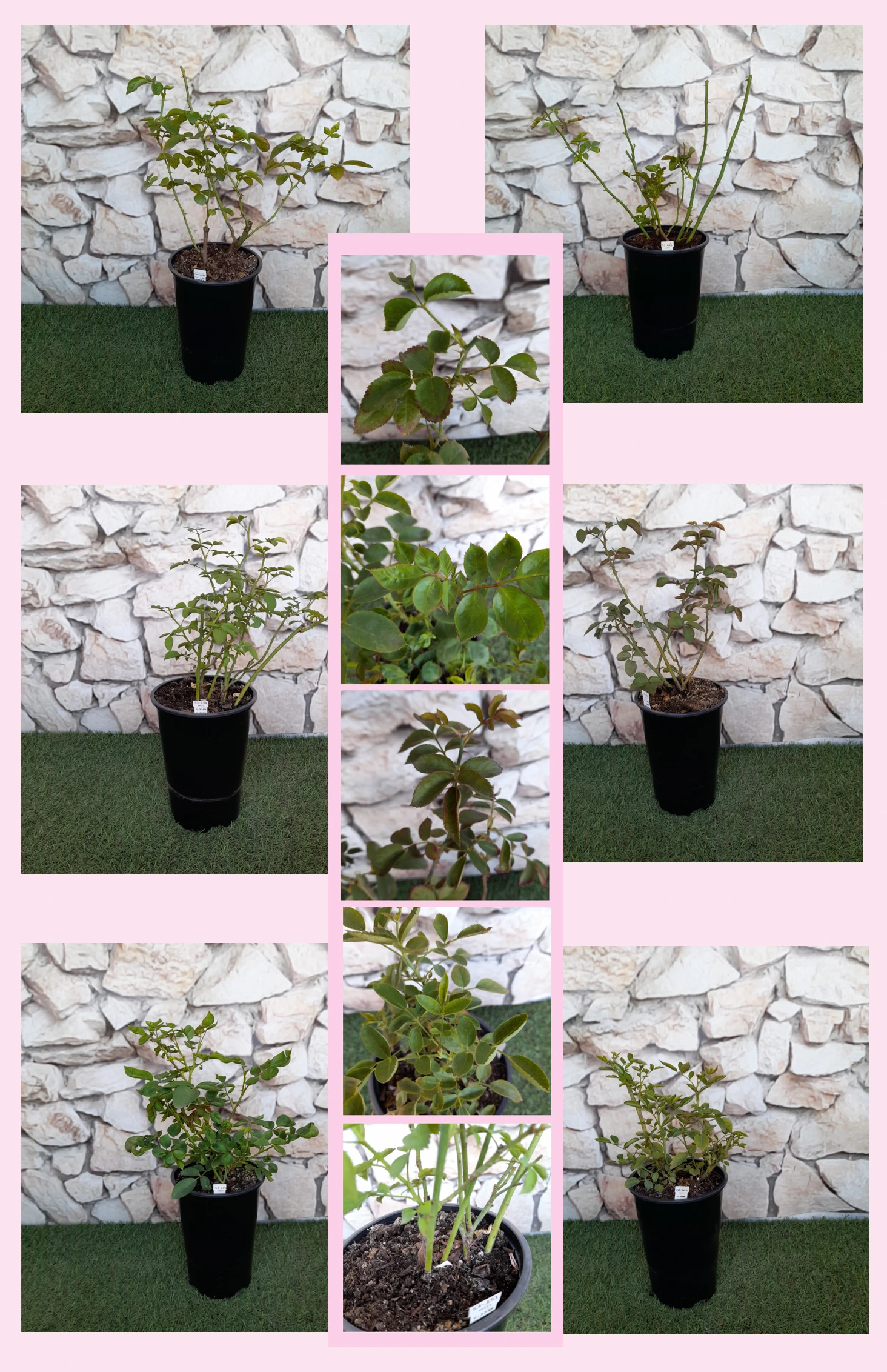
Step outside after rain and meet Tiffany as a gently perfumed focal point in a small front garden, its upright habit and classic hybrid tea form bringing balance to even narrow London plots while coping calmly with blustery, damp weather and heavy soils in need of improved drainage; large, high‑centred blooms carry a luxury fragrance strong enough to notice from the pavement, yet the plant itself remains surprisingly manageable over time, with a medium maintenance level and reliable rebloom from summer into autumn, so you can choose simple routines of watering and deadheading rather than complex rose schedules, and watch the own‑root plant move from steady root establishment in the first year to confident new shoots in the second and full ornamental value by the third, giving a long‑lived sense of continuity in a small family garden where every square metre must work; ideal in a 2‑litre pot for planting into the ground or up into a large 40–50 litre container, it delivers impact even in modest spaces, the soft salmon‑pink colouring sitting comfortably with brick, stone and gravel, while its proven heat tolerance and moderate disease resistance offer everyday reliability without fussy spraying regimes, making it a quietly sustainable choice for busy urban gardeners who still want something special by the front door.
Usage options
| Target area |
Reasoning |
| Front garden specimen by the path |
Upright, compact growth and medium height make this variety ideal beside a front path or gate, where its high‑centred flowers and very strong fragrance can be appreciated close up without overwhelming the space – perfect for the fragrance‑loving homeowner |
| Cut‑flower row in a small garden |
Classic hybrid tea form, long flower stems and repeated flushes in summer and autumn allow you to pick elegant blooms for the house while the plant continues to flower outside, extending its value beyond the border – ideal for the occasional flower‑arranging beginner |
| Statement rose in a 40–50 litre container |
Performs well in a large pot with good drainage, where its moderate size and upright habit fit compact terraces; the own‑root form supports long‑term regrowth if top growth is damaged, giving a stable feature on balconies – useful for the space‑conscious urban gardener |
| Sunny mixed flowerbed with perennials |
Soft salmon‑pink, apricot‑tinted blooms blend easily with lavenders, sages and grasses, while remontant flowering keeps colour returning through the season, so the bed never looks bare between perennial peaks – reassuring for the low‑maintenance border owner |
| Heat‑exposed, south‑facing town garden |
Good heat tolerance and reliable flowering in warm positions make this rose suitable for sun‑baked urban plots, provided it receives regular watering during dry spells, supporting gardens that must cope with hotter summers – helpful for the climate‑aware city resident |
| Decorative focal point for clay or chalk soils |
Once established, the own‑root system forms a resilient framework that copes with heavier or alkaline soils when planted into improved topsoil, giving dependable structure and bloom without constant intervention – attractive to the time‑limited family‑garden keeper |
| Rain‑tolerant feature in exposed, breezy sites |
Sturdy, upright canes and moderately dense foliage help the plant stand up to wind and showers, retaining its ornamental value in less sheltered locations where more delicate roses might struggle with repeated rain and gusts – practical for the coastal‑influenced suburban buyer |
| Long‑term rose for evolving family gardens |
The own‑root habit supports gradual thickening and renewal of shoots over several seasons, helping the plant mature gracefully as the garden changes, from play space to more ornamental schemes, with consistent colour and form – reassuring for the future‑planning household planner |
Styling ideas
- PorchWelcome – Plant Tiffany in a tall 40–50 litre pot by a front door with slate chippings and a simple coir doormat for a chic, scented greeting – suited to busy professionals wanting instant elegance.
- TeaBorder – Combine Tiffany with lavender, nepeta and low box edging for a traditional, fragrant border that still feels easy to manage – ideal for families upgrading a plain lawn edge.
- CityCutting – Run a short row of Tiffany along a sunny fence, underplanted with airy grasses, to provide regular cut blooms without a dedicated cutting garden – good for terrace owners who like fresh flowers indoors.
- PastelCourt – Mix Tiffany with soft pinks, whites and silvers in gravel, using sage and thyme for groundcover, to create a calm courtyard that copes with heat – appealing to small‑space gardeners seeking a restful nook.
- EveningPath – Line a narrow path with a single Tiffany and low, pale perennials so the strong scent and warm colour draw you outside after work – perfect for commuters wanting a simple daily unwind.
Technical cultivar profile
| Parameter |
Data |
| Name and registration |
Hybrid tea rose ‘Tiffany’; ARS approved exhibition name Tiffany; commercial name Tiffany Hybrid tea rose Tiffany; own‑root, container‑grown eleanorROSE ORIGINAL 2‑litre plant. |
| Origin and breeding |
Bred by Robert V. Lindquist in the United States from ‘Charlotte Armstrong’ × ‘Girona’; introduced 1954 by Howard Rose Company; unregistered variety in formal registration terms. |
| Awards and recognition |
Highly decorated: Portland Gold Medal 1954, All‑America Rose Selections Award 1955, ARS David Fuerstenberg Prize 1957 and James Alexander Gamble Fragrance Medal 1962. |
| Growth and structural characteristics |
Upright habit with moderately dense, dark green, slightly glossy foliage; height around 90–130 cm, spread 60–100 cm; moderately thorny; self‑cleaning poor, so deadheading is recommended. |
| Flower morphology |
Double, high‑centred, pointed‑bud blooms of classic exhibition hybrid tea form; medium flower size on mainly solitary stems; 26–39 petals; remontant with abundant second flush for extended display. |
| Colour data and phenology |
Soft salmon‑pink with warm apricot effect; buds warm peach with rosy flush; opens through orange‑peach to peach‑cream and powder pink, edges paling to ivory; moderate colour retention, still attractive in strong sun. |
| Fragrance and aroma |
Very strong, rich fruity scent, noticeable from a distance and recognised by major fragrance awards; primarily ornamental with low pollinator value due to very double, stamen‑concealing blooms. |
| Hip characteristics |
Occasional small, spherical red hips 10–14 mm in diameter; produced sporadically, mainly where spent flowers are not removed; decorative but not a primary feature of the cultivar. |
| Resistance and winter hardiness |
Hardy to approximately −15 to −12 °C (RHS H6, Swedish zone 2, USDA 7b); good heat tolerance with watering in dry spells; powdery mildew resistant, black spot and rust of moderate susceptibility. |
| Horticultural recommendations |
Best in full sun with well‑drained soil; suitable for flowerbeds, hedging and specimen or cut‑flower use; spacing 50–90 cm depending on effect; medium maintenance with occasional plant protection and spring frost shielding. |
TIFFANY offers award‑winning fragrance, repeat flowering and an upright, compact habit on a durable own‑root framework, making it a thoughtful choice for long‑term enjoyment in a small family garden or urban front space.