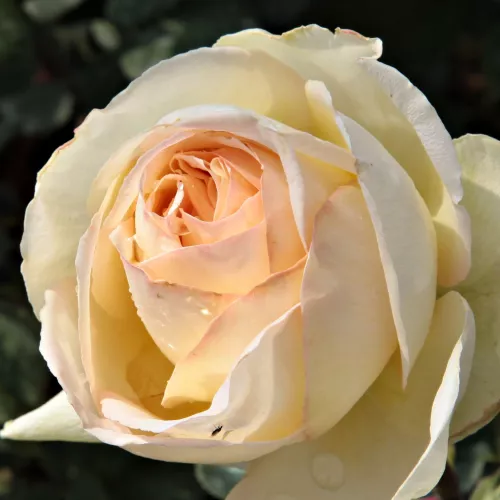
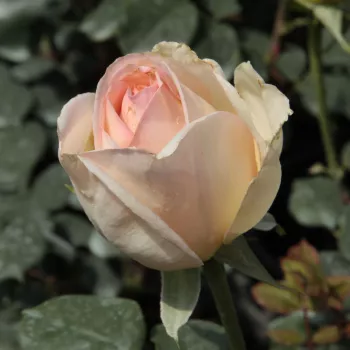
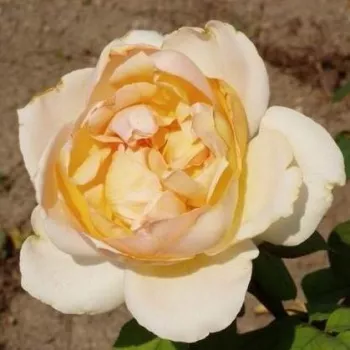
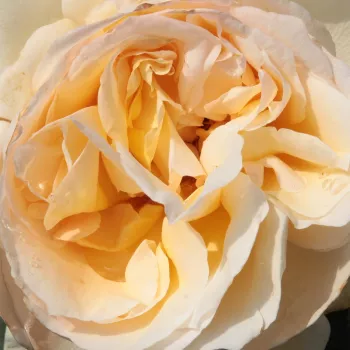
TOPAZE ORIENTALE™ – cream‑yellow hybrid tea rose
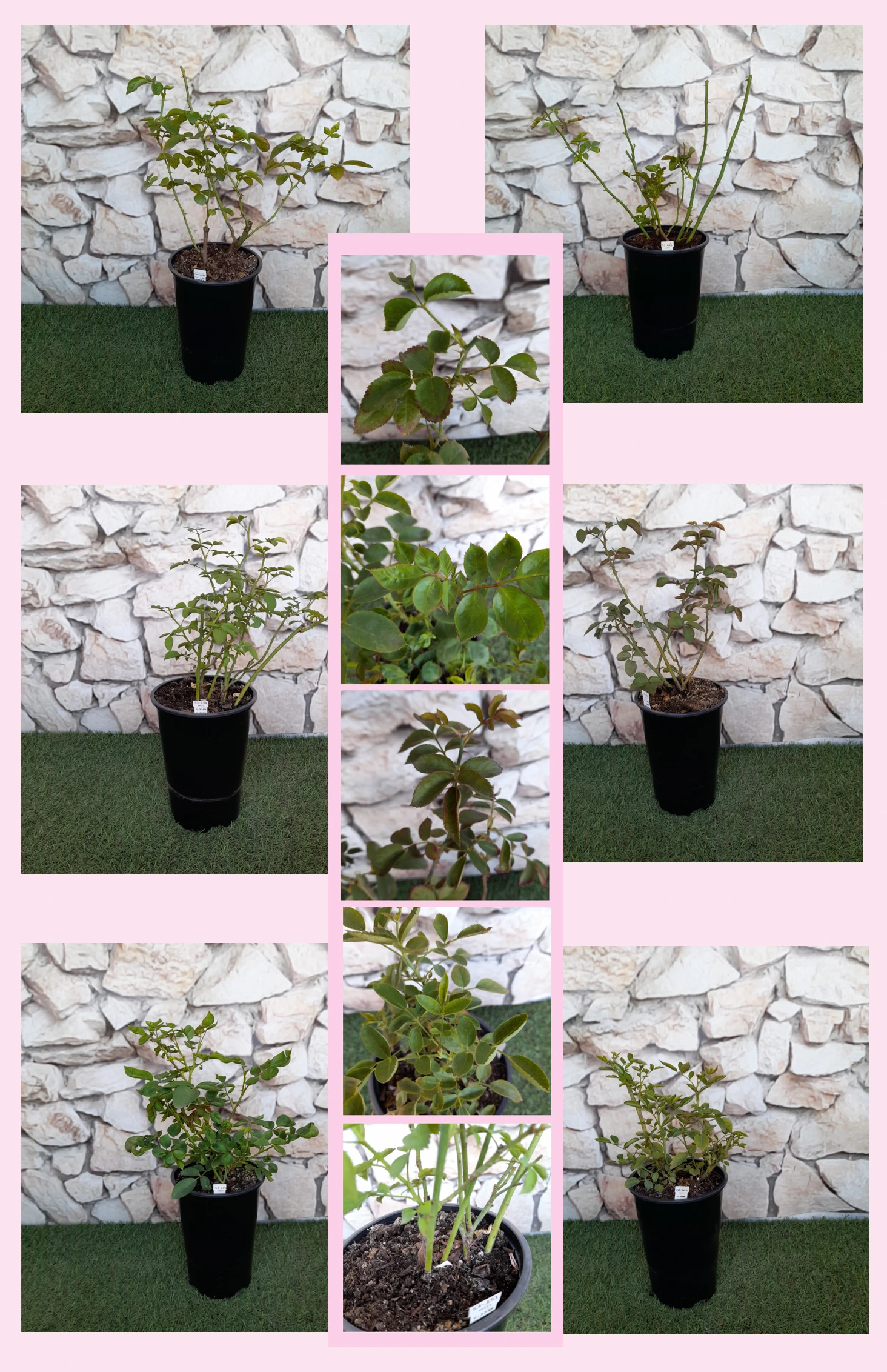
Step through your front gate and meet Topaze Orientale as a quietly glowing focal point: elegant, upright and easy to manage in a typical family garden. Bred by Delbard, this classic hybrid tea offers lush, cream‑yellow blooms with a soft pink veil, carried one per stem for beautifully formal structure and reliable cutting. Planted in deep, improved soil it copes reassuringly well with cool, breezy weather and heavier ground where drainage has been thoughtfully planned for wetter spells. As an own‑root plant it settles in steadily, building a long‑lived, regenerating framework that repays light, regular care over many seasons. In a 40–50 litre pot or a narrow terrace border, its medium height, matt mid‑green foliage and refined, medium‑strength fragrance create a calm, “grown‑up girly” mood by the path. Give it sun, a little pruning and consistent watering, and watch it grow from establishing roots to confident shoots to full ornamental presence within three graceful years.
Usage options
| Target area | Reasoning |
|---|
| Formal front-garden focal point |
Upright, 130–170 cm growth and solitary, perfectly shaped blooms make Topaze Orientale ideal as a single specimen anchoring a London terrace front garden, especially where you want a composed, elegant look for homeowners. |
| Cutting bed near the house |
Very full, medium-sized, long-stemmed flowers provide classic hybrid tea form for the vase; planting close to the front door lets you enjoy regular cutting without crossing the whole garden, suiting busy beginners. |
| Sunny mixed border on heavier soils |
Prefers sun and responds well where clay has been improved for drainage, fitting smaller family gardens that collect winter wet yet warm up in summer, reassuring for climate-aware urbanites. |
| Large container on balcony or paved front |
In a 40–50 litre peat-free container with regular watering, its upright habit and modest spread stay in scale with compact spaces, creating soft colour where in-ground planting is limited for city balconiers. |
| Structured rose-and-perennial bed |
Dense, matt mid-green foliage forms a calm backdrop to airy companions such as nepeta or low campanulas, giving a composed, low-fuss framework that still feels romantic for relaxed stylists. |
| Long-term specimen in a family garden |
Own-root plants age steadily, rebuilding from the base if stems are damaged and avoiding the sudden decline of grafted bushes, rewarding simple yearly care over decades for patient gardeners. |
| Scented path or entrance planting |
Medium-strength fragrance along a path or at a front step adds a subtle welcome without overwhelming nearby seating areas, particularly pleasant in still evening air for scent-seeking visitors. |
| Small decorative hedge or line of standards |
Regular spacing at 50–55 cm creates a neat, repeat-flowering line that defines boundaries or separates drive from garden, needing only routine pruning and deadheading for design-conscious neighbours. |
Styling ideas
- Soft-portal – flank a narrow front path with two plants underplanted with lavender, letting creamy flowers and grey foliage frame the entrance – ideal for terrace-house owners wanting gentle formality.
- Balcony-jewel – grow in a single 50 litre container with trailing thyme and low nepeta to soften the rim, creating a contained “mini-garden” – suited to renters with sunny balconies.
- Evening-chair – position by a small bench, edged with pale campanulas, to enjoy colour and scent after work – for busy professionals seeking low-effort relaxation space.
- Ribbon-hedge – plant a short row along a front boundary, weaving in sage and dwarf grasses for texture, giving order without feeling rigid – for families wanting tidy but friendly kerb appeal.
- Pastel-island – combine with gypsophila and soft pink roses in a circular bed on a lawn, letting the cream-yellow tones anchor a cloud of lighter flowers – for romantic gardeners who like classic mixed borders.
Technical cultivar profile
| Parameter | Data |
|---|
| Name and registration |
Hybrid tea rose Topaze Orientale™; ARS exhibition name Topaze Orientale; registered cultivar name Topaze Orientale; collection Hybrid tea rose; commercial group hybrid tea rose. |
| Origin and breeding |
Bred by André Delbard-Chabert, France; parentage ‘Sultane’ × ‘Queen Elizabeth’; bred and introduced 1965 by Delbard / Georges Delbard SA, forming part of their classic hybrid tea range. |
| Growth and structural characteristics |
Upright hybrid tea, about 130–170 cm high and 70–90 cm wide; moderately thorny, with dense, matt, mid-green foliage (RHS 137A); weak self-cleaning, so spent blooms benefit from regular deadheading. |
| Flower morphology |
Very full, ball to pompon-shaped solitary blooms, typically medium-sized (about 4–7 cm diameter); 40+ petals; remontant with notably plentiful second flush; classic exhibition-type hybrid tea form. |
| Colour data and phenology |
Cream-yellow base with vivid yellow tones and a delicate pink veil; ARS YB, RHS 11D outer, 36C inner; colours soften to pastel in sun, with good overall retention before gently fading to paler shades. |
| Fragrance and aroma |
Medium-strength fragrance, clearly noticeable around the plant and on cut stems; character not fully documented but perceived as a pleasant classic rose scent rather than an overpowering perfumed note. |
| Hip characteristics |
Moderately abundant ovoid hips, about 12–18 mm, orange-red (RHS 40A); primarily ornamental interest in late season rather than for wildlife value, adding subtle colour detail after flowering. |
| Resistance and winter hardiness |
Hardy to around −21 to −18 °C (RHS H7, USDA 6b, Swedish zone 3); moderate tolerance of heat and short dry spells with watering; disease susceptibility moderate, particularly rust, so regular protection advised. |
| Horticultural recommendations |
Prefers sunny, open positions; best in fertile, well-drained but moisture-retentive soils; recommended spacings: 55 cm mass, 50 cm hedge, 90 cm specimen; maintain with seasonal feeding, pruning and deadheading. |
TOPAZE ORIENTALE™ offers refined cream-yellow blooms, strong cutting quality and long-term own-root resilience in a compact family garden or large container, making it a thoughtful choice if you value classic style with manageable care.