VALENTINA™ – red-yellow hybrid tea rose
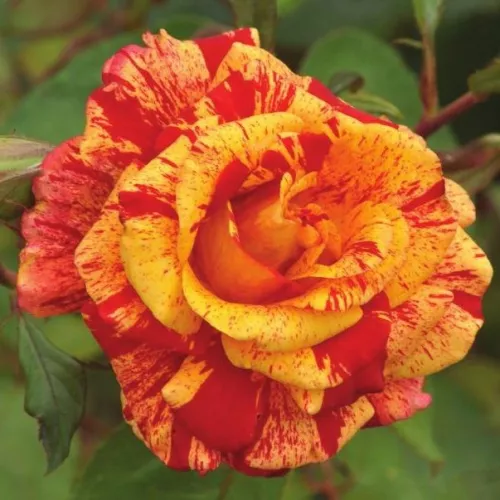
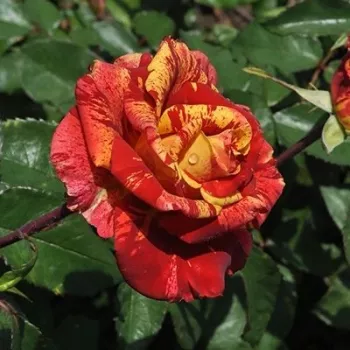
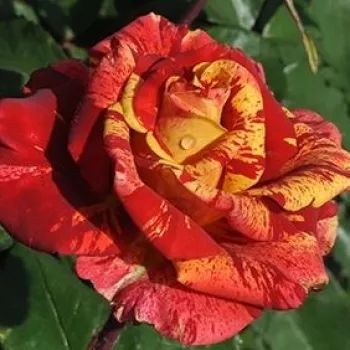
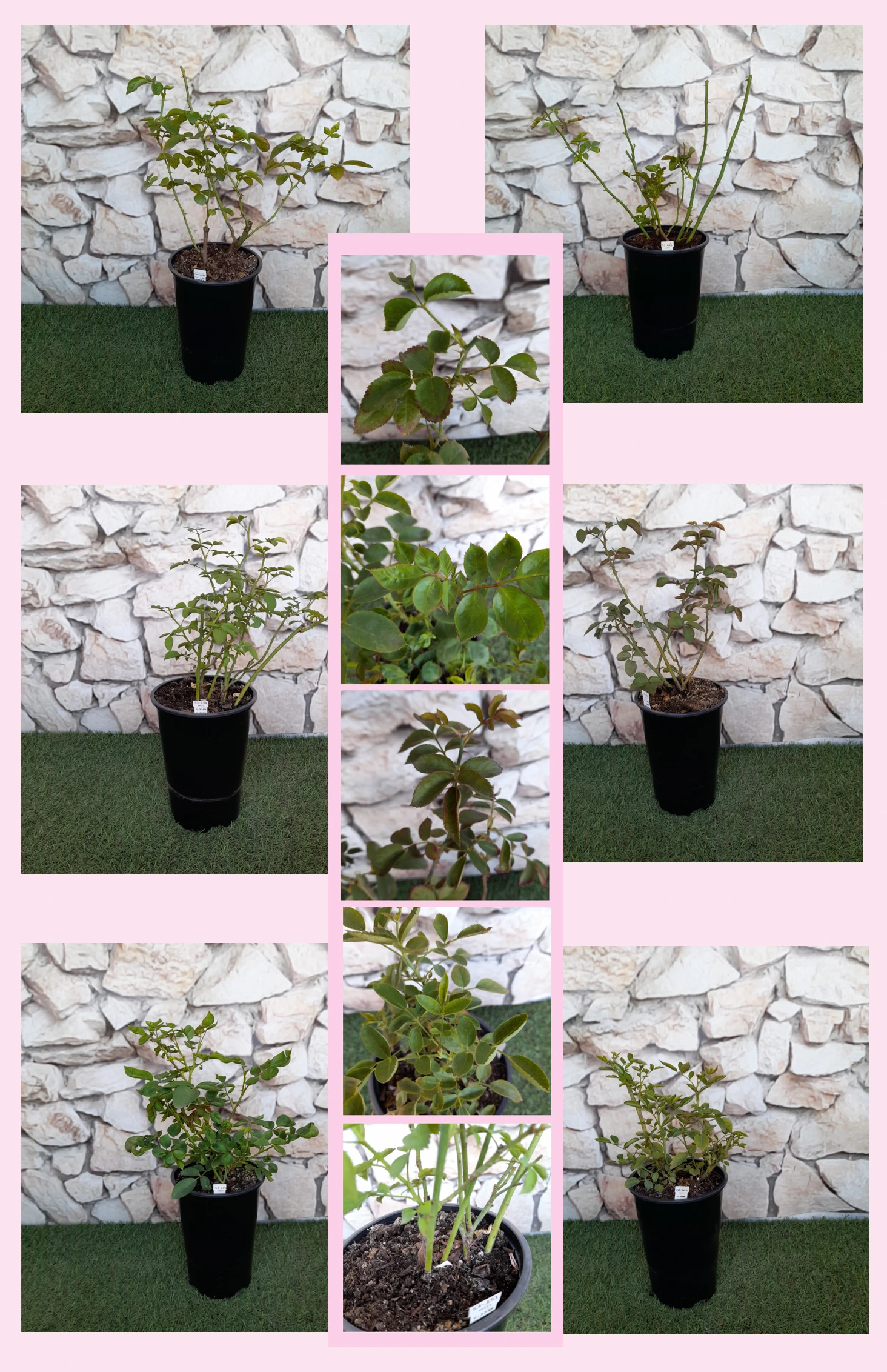
Step off the busy pavement into a front garden of balance and subtle post‑rain fragrance, where VALENTINA™ rises on upright stems and semi‑double blooms, marbled in glowing colour from deep red to lemon‑yellow. This hybrid tea works reliably in typical UK family plots with heavy soils and cool summers, offering reassuring longevity from its robust own‑root system and an elegant, exhibition‑style flower form suited to cut stems. In a 2‑litre pharmaROSA® ORIGINAL pot it establishes steadily, coping well with wetter spells and improving drainage when you enrich the planting hole with composted bark or grit. Planted in good light and mulched with garden compost, it settles into a sustainable, low‑effort rhythm, turning year‑one root building, year‑two top growth and year‑three abundance into a long‑term garden feature that rewards patient care in even the smallest city space.
Usage options
| Target area |
Reasoning |
| London terraced-house front garden feature |
Ideal as a single specimen by the front path, its upright habit and 65–95 cm height give clear structure without overwhelming a narrow border, while the marbled red‑and‑yellow blooms draw the eye and offer a quietly formal welcome for homeowners. |
| Rainwater-conscious clay border planting |
Suited to typical urban heavy clay when planted in a raised or improved bed, it copes well with cool, damp spells and benefits from gutter-diverted water, supporting a small, rain‑resilient scheme for busy city-dwellers. |
| Statement rose in a large patio container |
Performs attractively in a 40–50 litre pot filled with peat‑free compost and grit, giving you exhibition‑style flowers at eye level with only light pruning and regular watering, a manageable choice for new gardeners. |
| Cut-flower corner in a family garden |
Bred as a hybrid tea with solitary, medium blooms, it provides straight stems and reliable repeating flushes, so you can take a few patterned flowers indoors without spoiling the display, which appeals to creative arrangers. |
| Low-maintenance mixed rose and shrub bed |
Moderately dense, dark green foliage and a compact, upright framework allow it to slot neatly among shrubs and perennials, staying visually tidy with only occasional deadheading, suiting time-pressed families. |
| Colour-highlight with lavender, sage or nepeta |
The velvety red and lemon-cream tones sit beautifully against soft blue and silver companions such as catmint or dwarf sages, creating a harmonious, pollinator-friendly setting around a more ornamental rose for thoughtful designers. |
| Long-lived, own-root structural planting |
As an own-root rose it ages gracefully, regrowing from its own base if winter, pests or pruning knock it back, so the plant remains true to type and structurally reliable over many years, reassuring practical planners. |
| Urban front-garden hedge or rhythm planting |
At 50–70 cm spread and recommended close spacings, a short run of plants gives a rhythmic, repeating accent along railings or a low fence, adding formality and seasonal interest with manageable upkeep for busy commuters. |
Styling ideas
- Terrace-Theatre – Plant a line of VALENTINA™ along a narrow front path, underplanted with low nepeta to soften the edges – ideal for London terraces wanting discreet drama.
- Patio-Gallery – Grow one plant in a 50 litre clay pot with upright New Zealand flax for contrast – perfect for balcony or courtyard gardeners seeking a bold focal point.
- Clay-Border – In improved heavy soil, mix VALENTINA™ with hardy geraniums and ornamental grasses – suited to family plots needing structure with modest effort.
- Cut-Stand – Dedicate a sunny corner to three roses at 60 cm spacing for regular cut flowers – attractive for home florists who like home-grown arrangements.
- Stripe-Highlight – Pair its marbled blooms with cool lavender and sage to accentuate the colour play – for style-conscious urban owners designing small, elegant spaces.
Technical cultivar profile
| Parameter |
Data |
| Name and registration |
Hybrid tea rose, registered as BOZvalfre, marketed as Valentina™ Freska® BOZvalfre; exhibition hybrid tea category, medium shrub habit suited to both garden and cutting use. |
| Origin and breeding |
Bred by Biljana Božanić Tanjga of PhenoGeno Roses, Serbia; introduced in 2017 by PhenoGeno Roses, with parentage undisclosed and selection focused on patterned hybrid tea flowers. |
| Growth and structural characteristics |
Upright medium shrub, 65–95 cm high and 50–70 cm wide, with moderately dense, dark green, slightly glossy foliage and moderate prickliness, forming a compact, tidy outline in borders. |
| Flower morphology |
Semi-double, cup-shaped solitary blooms, 1.5–2.75 inches across, with 17–25 petals; remontant with a generous second flush under normal garden care, suited to cutting and display. |
| Colour data and phenology |
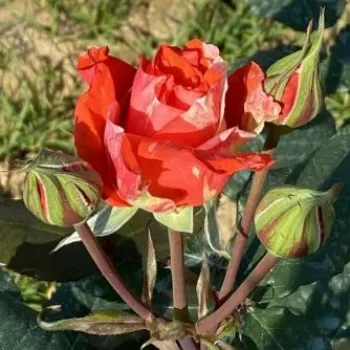
Dark velvety red base patterned with vivid lemon-yellow and creamy-white stripes; colour lightens to raspberry-pink and cream as blooms age, maintaining a distinctive marbled, variegated effect. |
| Fragrance and aroma |
Very weak, barely perceptible rosy fragrance; selected mainly for visual impact and flower form rather than scent, making it best combined with aromatic companions such as lavender or herbs. |
| Hip characteristics |
If deadheading is reduced, produces small, ellipsoid orange-red hips, 8–12 mm, in moderate quantities, adding a subtle ornamental note to the plant in late season and early winter. |
| Resistance and winter hardiness |
Hardy to approximately −21 to −18 °C (RHS H7, Swedish zone 3, USDA 6b); disease profile shows good black spot resistance with moderate sensitivity to powdery mildew and rust. |
| Horticultural recommendations |
Best in full sun, in fertile, well-drained soil; medium maintenance, needing occasional plant protection and deadheading; plant 50–90 cm apart depending on use, with 2.8–3.2 plants/m² for massing. |
VALENTINA™ offers striking marbled flowers, compact upright growth and dependable, long-lived own-root performance in pots or borders, making it a thoughtful choice for smaller gardens and refined urban spaces.