Victor Verdier – crimson historic perpetual hybrid rose – Lacharme
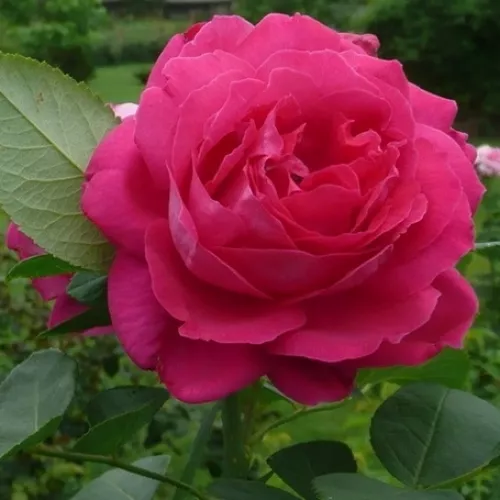
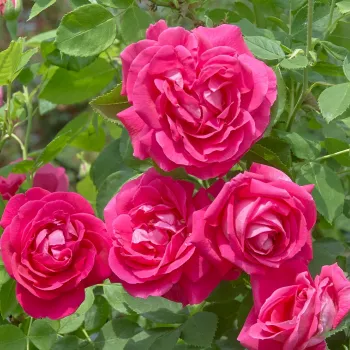
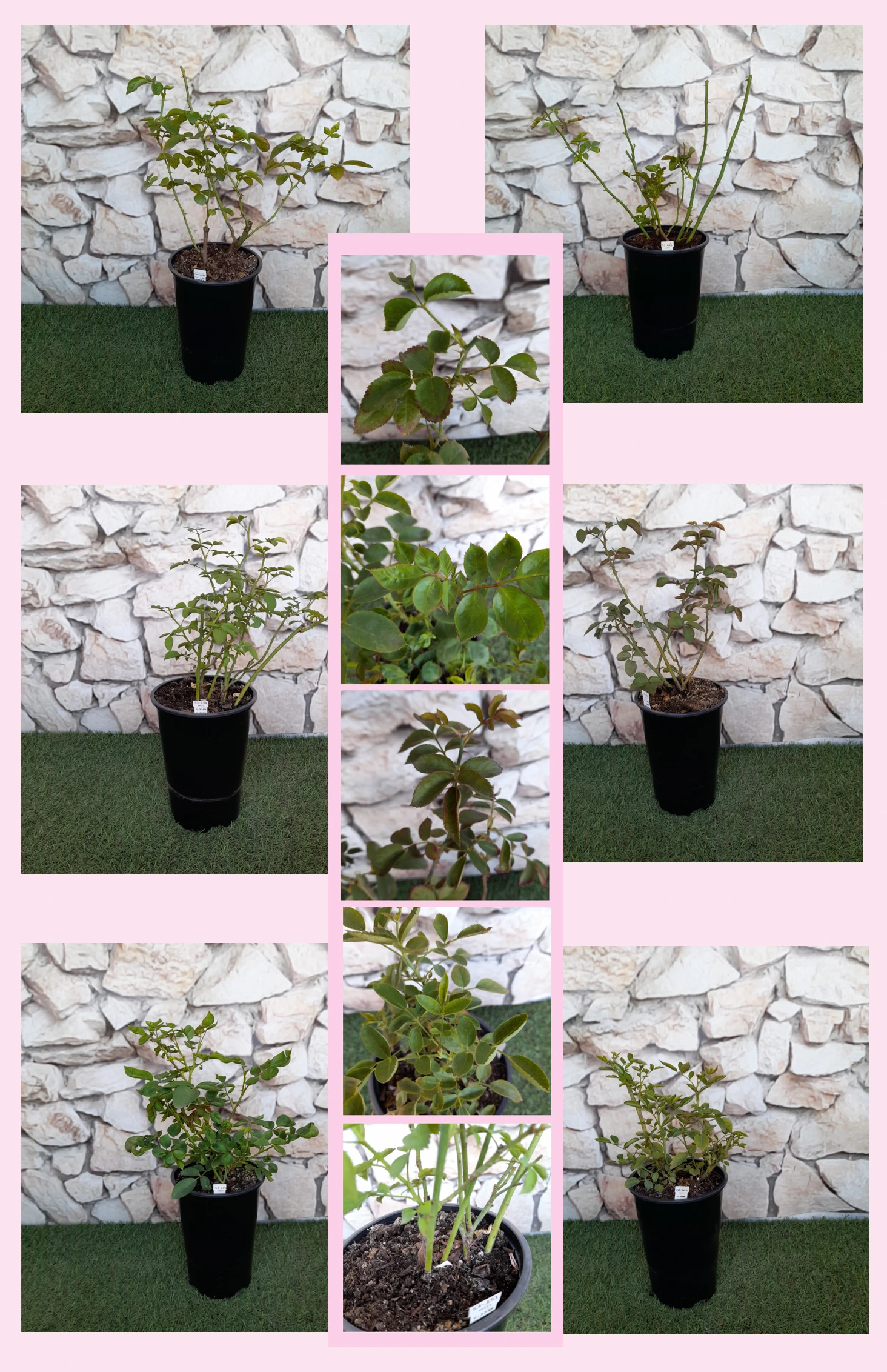
Step through your front gate and meet Victor Verdier, a romantic heritage rose that fits effortlessly into a small London terrace or family garden, offering repeat-flowering charm with reassuringly simple care. Its upright habit and moderately dense, dark green foliage give a quietly structured presence, ideal for framing a path or softening railings while coping well with typical British rainfall and blustery days in exposed sites. Medium maintenance means you prune once a year and lightly tidy spent blooms, rather than constantly fussing, while the own-root form builds strength steadily below ground for a genuinely long-lived investment. In the first year the plant focuses on roots, the second year on strong new shoots, and by the third year you enjoy its full ornamental value and generous flowering. Large, very double, ball-shaped blooms in shifting crimson and mauve tones bring a sophisticated heritage character, their medium, harmonious fragrance drifting along a narrow path after rain for a sense of calm balance. Planted into peat-free compost with good drainage, it partners beautifully with silvery or blue-toned perennials for a subtly sustainable front garden that looks considered yet relaxed.
Usage options
| Target area |
Reasoning |
| Narrow front-garden border by a path |
The upright, moderately tall habit forms a slim vertical accent that does not overwhelm a narrow strip, yet still offers large, scented blooms at nose height along the path for everyday enjoyment in compact urban spaces for the busy homeowner. |
| Standalone specimen in a small lawn or gravel |
Planted alone at 1.6 m spacing, this historic hybrid perpetual develops into a well-proportioned, dark-foliaged shrub whose shifting crimson-to-mauve flowers read clearly from a distance, giving traditional character without needing complex underplanting for the heritage enthusiast. |
| Mixed border with perennials and grasses |
Its rich crimson-pink tones and dark green, slightly glossy leaves weave easily among soft grasses and perennials, adding depth and season-long colour while maintaining a tidy, upright framework that anchors looser planting for the design-conscious gardener. |
| Cutting corner for home arrangements |
Large, very double, ball-shaped flowers on reasonably upright stems provide classic, old-rose style for vases; the medium, pleasant fragrance holds indoors, so even a few stems create a refined focal point for the home flower arranger. |
| Rainwater-friendly terrace or front garden |
Planted into improved heavy clay or freely draining beds, this rose copes well with typical British wet spells and breezy conditions, fitting neatly into a planting scheme designed to manage runoff with planting rather than paving for the sustainability-minded owner. |
| Own-root long-term feature shrub |
As an own-root plant, it does not rely on a graft union, so if stems are damaged it can regenerate true to type from the base, gradually forming a stable, long-lived clump with enduring ornamental value for the long-range planner. |
| Low-chemical, resilient family garden bed |
Moderate disease resistance, including good tolerance of powdery mildew and black spot, means only occasional plant protection is usually needed, supporting a simpler, lower-input care routine in busy, child-friendly gardens for the time-poor gardener. |
| Large container on terrace or balcony (50 L+) |
In a 50–60 litre peat-free container with good drainage, this upright, sparsely thorned rose offers colour, scent and historic character at eye level, suiting renters or balcony owners who want a movable, long-term rose companion for the urban balcony gardener. |
Styling ideas
- VictorianWalk – Line a short front path with two or three plants, underplanted with low Nepeta and thyme, to create a subtly nostalgic, scented promenade – ideal for terrace-house owners.
- HeritageFocus – Place a single shrub in a small circular bed edged with brick and soften with Carex flacca ‘Blue Zinger’ for a calm, traditional focal point – suited to period-home gardeners.
- CrimsonDrift – Combine with Gypsophila repens ‘Knuddel’ and pale pink salvias in a free-draining, gravel-mulched strip for a cloud-like, low-maintenance display – perfect for time-pressed beginners.
- BalconyClassic – Grow one plant in a 50–60 L container with trailing ivy-leaved pelargoniums to bring colour and scent to an upper-storey balcony – attractive to urban apartment dwellers.
- EveningCutting – Dedicate a sunny corner with three shrubs at 90 cm spacing, interplanted with lavender, to supply fragrant, long-stemmed blooms for the house – appealing to home florists.
Technical cultivar profile
| Parameter |
Data |
| Name and registration |
Victor Verdier is a historic hybrid perpetual rose from the Heritage rose collection; an unregistered cultivar grown under the trade name Victor Verdier – Lacharme and recognised in shows as Victor Verdier. |
| Origin and breeding |
Bred in France in 1859 by François Lacharme from ‘Jules Margottin’ × ‘Safrano’; introduced the same year and now mainly circulated as a classic garden and collectors’ variety of historical interest. |
| Growth and structural characteristics |
Upright habit reaching about 120–190 cm in height and 70–120 cm spread, with moderately dense, dark green, slightly glossy foliage and relatively few thorns, forming a refined, vertical garden presence. |
| Flower morphology |
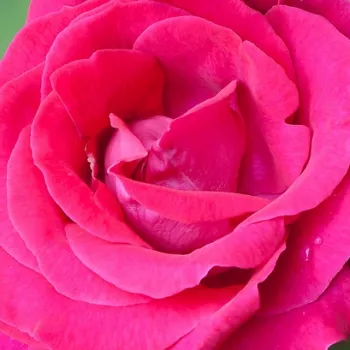
Large, very double, ball to pompon blooms with over 40 petals, borne mostly solitary on stems; remontant flowering gives a strong early flush followed by a second abundant display later in the season. |
| Colour data and phenology |
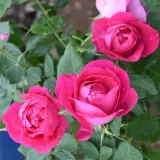
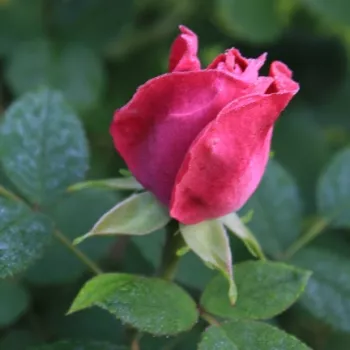
Closed buds are dark crimson-red; blooms open bright carmine-rose then age through rich crimson-pink to pale mauve-rose with a silken sheen, though colour retention is modest and tones soften as flowers mature. |
| Fragrance and aroma |
Medium-strength, noticeably fragrant rose with a pleasant, harmonious scent that is evident at close quarters and along nearby paths, suitable for those who value classic perfume without overpowering intensity. |
| Hip characteristics |
Occasionally sets small, spherical orange-red hips, typically 11–18 mm in diameter; decorative late in the season but not produced in heavy quantities, adding light autumn interest without extensive seeding. |
| Resistance and winter hardiness |
Hardy to about −21 to −18 °C (RHS H7, USDA 6b, Swedish zone 3); shows resistance to powdery mildew and black spot with moderate rust susceptibility, and prefers evenly moist soil in warm conditions. |
| Horticultural recommendations |
Best in a sunny position with fertile, well-drained soil; plant 80–90 cm apart for hedges or beds and up to 160 cm as a specimen, maintain moderate watering in dry spells, and deadhead to encourage repeat bloom. |
Victor Verdier offers tall, fragrant, repeat-flowering elegance that matures into a long-lived, stable shrub on its own roots; a thoughtful choice if you would like enduring historic character with manageable care.