VILLE D'ETTELBRUCK – dark red bedding shrub rose - Lens
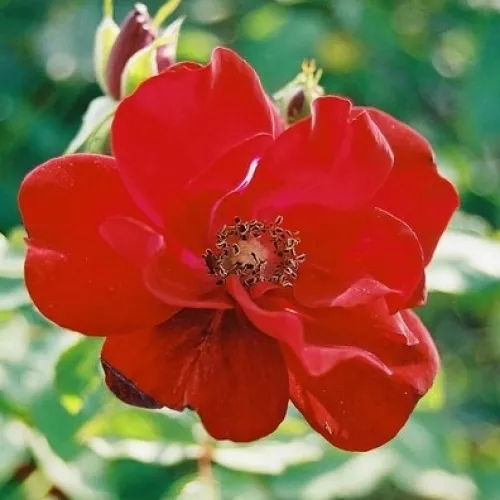
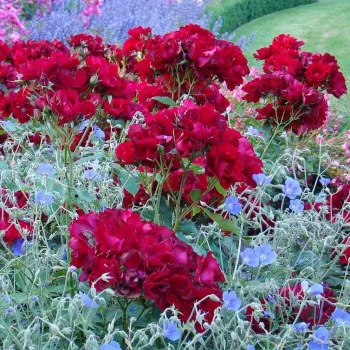
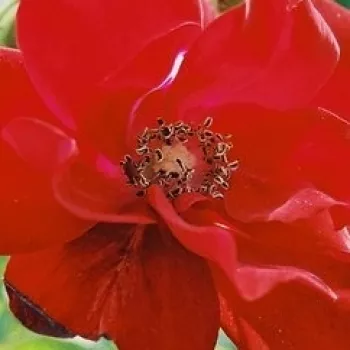
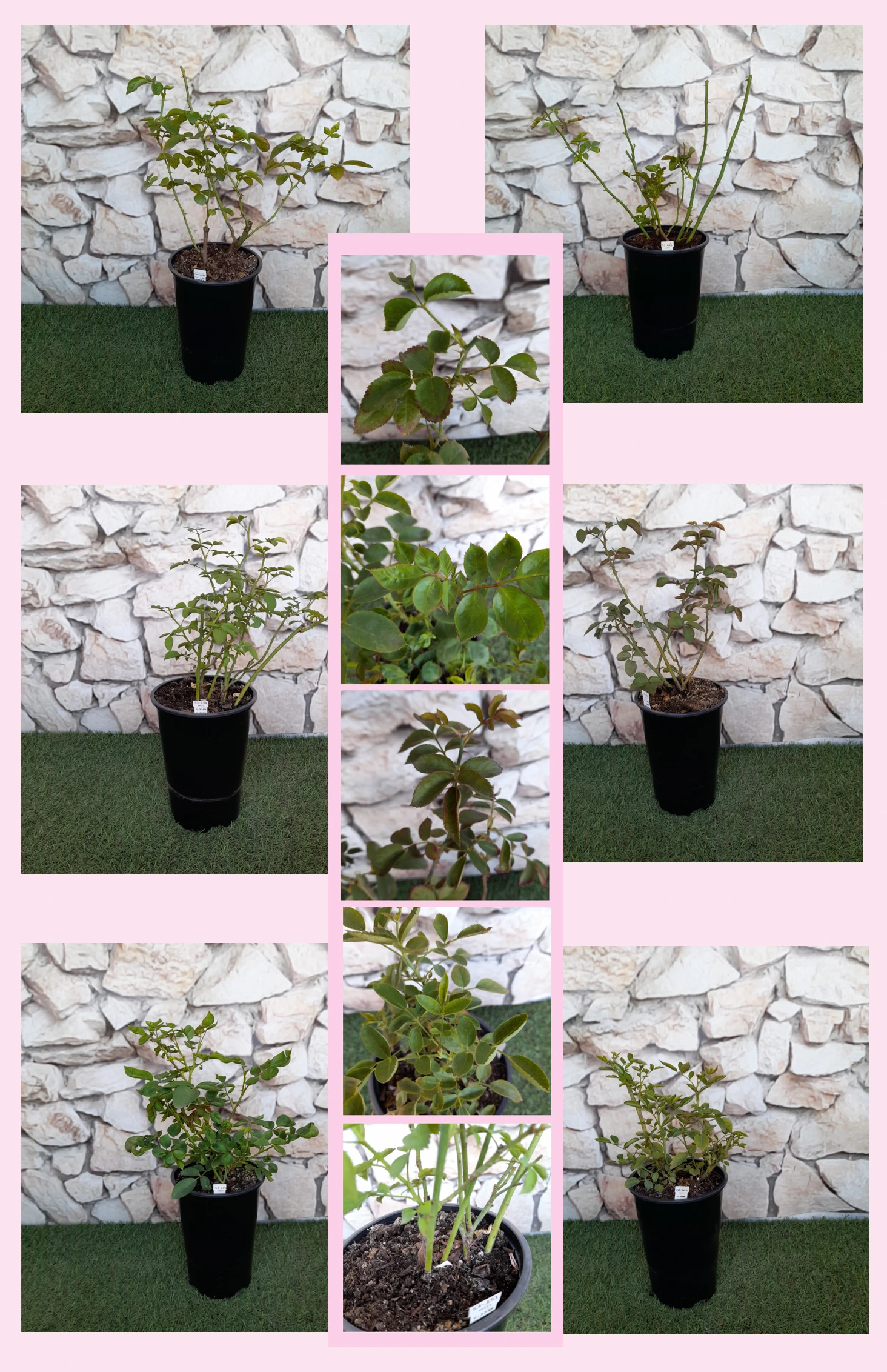
Step out after rain to meet the rich, dark-red flowers of VILLE D'ETTELBRUCK, a modern shrub rose designed for balance between beauty and ease. Its semi-double, pollen-accessible blooms invite bees, while the upright, compact habit suits London terraces and small front gardens where drainage needs gentle handling in heavier soils and wetter, wind‑touched sites. This rose offers reliable flowering from early summer onwards, with tidy clusters that refresh the border as it quietly forms decorative red hips if you prefer a wilder autumn look. Being own‑root, it promises long-term stability, regrowing strongly from the base if cut back hard or after tougher winters, giving a reassuring sense of longevity for family gardens. In its first years, it focuses on roots, then sturdy shoots, before reaching full ornamental impact around the third season, when it settles seamlessly into your sustainable, rainwater‑friendly planting.
Usage options
| Target area |
Reasoning |
| Urban front garden flowerbed |
The compact, upright habit and rich blood‑red clusters create a strong focal point in narrow front beds without overwhelming the space, ideal along paths or beside steps where you pass frequently and want colour with minimal upkeep for the busy urban gardener. |
| Pollinator‑aware city planting |
Semi‑double flowers with visible stamens provide accessible pollen, so bees can forage easily between other small perennials, bringing gentle movement and life to balconies or front gardens while you enjoy a restrained, not overpowering scent as a bonus for the sustainability‑minded beginner. |
| Low‑maintenance mixed shrub border |
Medium maintenance needs, glossy foliage and repeat flowering mean you can rely on steady colour with only occasional pruning and light pest checks, suiting those who want structure and long bloom without turning weekend time into constant chores for the time‑pressed homeowner. |
| Rain‑aware, clay‑based gardens |
Suited to typical British conditions where showers, wind and heavier soils meet; planted in improved, free‑draining pockets, it copes well with wet spells and blustery days, keeping its display tidy and upright even in exposed streetscapes for the weather‑conscious gardener. |
| Long‑term family garden investment |
The own‑root form helps the plant recover from hard pruning, accidental damage or harsh winters, so over years it maintains its shape and flower power rather than declining, offering dependable structure in established family plots for the future‑focused garden owner. |
| Season‑spanning colour focus |
Good remontant performance ensures the second flush is also generous, keeping borders lively through summer into early autumn, while moderate self‑cleaning means fewer deadheading sessions, a practical advantage when you want ongoing impact with little effort for the casual rose enthusiast. |
| Decorative autumn interest with hips |
If you ease back on deadheading at the end of the season, the plant produces neat red hips that stand out against dark foliage, extending visual interest and supporting a slightly wilder, nature‑friendly look into autumn and early winter for the nature‑loving family. |
| Containers and terrace planters |
In a large 40–50 litre container with peat‑free compost and regular rainwater use, its upright form and dense leaves frame doors or patios, with repeat dark‑red clusters adding depth and elegance to compact outdoor rooms for the small‑space city gardener. |
Styling ideas
- Velvet-Entrance – Line a short front path with a staggered row of VILLE D'ETTELBRUCK underplanted with low nepeta, using its upright habit and long flowering to frame your doorway – ideal for busy households wanting smart kerb appeal.
- Bee-Boulevard – Combine this semi‑double rose with lavender and calamint to create a fragrant, pollinator‑friendly ribbon in a sunny front strip – perfect for urban gardeners keen to support bees without complex planting plans.
- Crimson-Backdrop – Use in the mid‑border behind soft pink perennials and ornamental grasses, where its repeat blood‑red blooms provide a steady, dramatic background – suited to homeowners seeking reliable structure in small mixed borders.
- Hip-Harvest – Relax deadheading late in the season and weave in asters for a burgundy‑and‑purple autumn scheme, letting the decorative red hips shine – attractive for families who enjoy a slightly wilder, nature‑friendly front garden.
- Pot-Parterre – Plant a single specimen in a 50‑litre square container flanked by clipped herbs, using its upright shrub form as a soft centrepiece – a good choice for terrace or balcony owners wanting formality with minimal care.
Technical cultivar profile
| Property |
Data |
| Name and registration |
Modern shrub bed rose, registered as LENivill; marketed as Ville d'Ettelbruck Bedding rose LENivill, exhibition name Ville d’Ettelbruck, suited to flowerbeds and shrub rose displays. |
| Origin and breeding |
Bred by Louis Lens in Belgium from ‘Satchmo’ × ‘Skyrocket’; breeding completed 1981, introduced 1983 by Lens Roses NV / Pépinières Louis Lens SA as a dark red, cluster‑flowered shrub rose. |
| Awards and recognition |
Bronze medal at the Baden‑Baden International Rose Competition in 1982, recognising its ornamental value, reliable garden performance and attractive dark‑red flowering display in trial conditions. |
| Growth and structural characteristics |
Upright shrub 110–150 cm tall, 65–95 cm spread, medium prickles and dense, glossy dark green foliage; forms a well‑filled, vertical presence suitable for beds, hedging and urban plantings. |
| Flower morphology |
Medium clusters of flat, semi‑double blooms, 13–25 petals, repeat‑flowering with a generous second flush; flowers are moderately self‑cleaning, though some spent heads may remain on the plant. |
| Colour data and phenology |
Dark red to blood‑red (RHS 53A–53B), buds deep burgundy; colour may lighten slightly in strong sun but generally retains a vivid, velvety depth through opening, maturing and gentle pre‑fade darkening. |
| Fragrance and aroma |
Light, delicate fragrance of restrained character; provides a soft scent presence close‑up without dominating small spaces, making it well suited to entrances, paths and compact urban seating areas. |
| Hip characteristics |
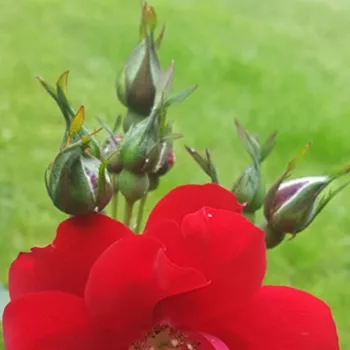
Forms small, spherical red hips about 8–12 mm across in moderate quantities if not deadheaded; attractive in autumn and early winter, adding seasonal structure and subtle wildlife interest. |
| Resistance and winter hardiness |
Hardy to about −21 to −18 °C (RHS H7, USDA 6b, Swedish zone 3); disease resistance medium overall, with good black spot resistance and moderate susceptibility to powdery mildew and rust. |
| Horticultural recommendations |
Prefers sunny sites with improved drainage; water during dry spells. Space 50–90 cm depending on use, 2.8–3.2 plants/m² in mass plantings; suitable for beds, parks, urban green spaces and specimen planting. |
VILLE D'ETTELBRUCK offers long-season dark-red flowering, pollinator-friendly semi-double blooms and reliable own-root longevity, making it a thoughtful choice for understated, sustainable front gardens and family plots.