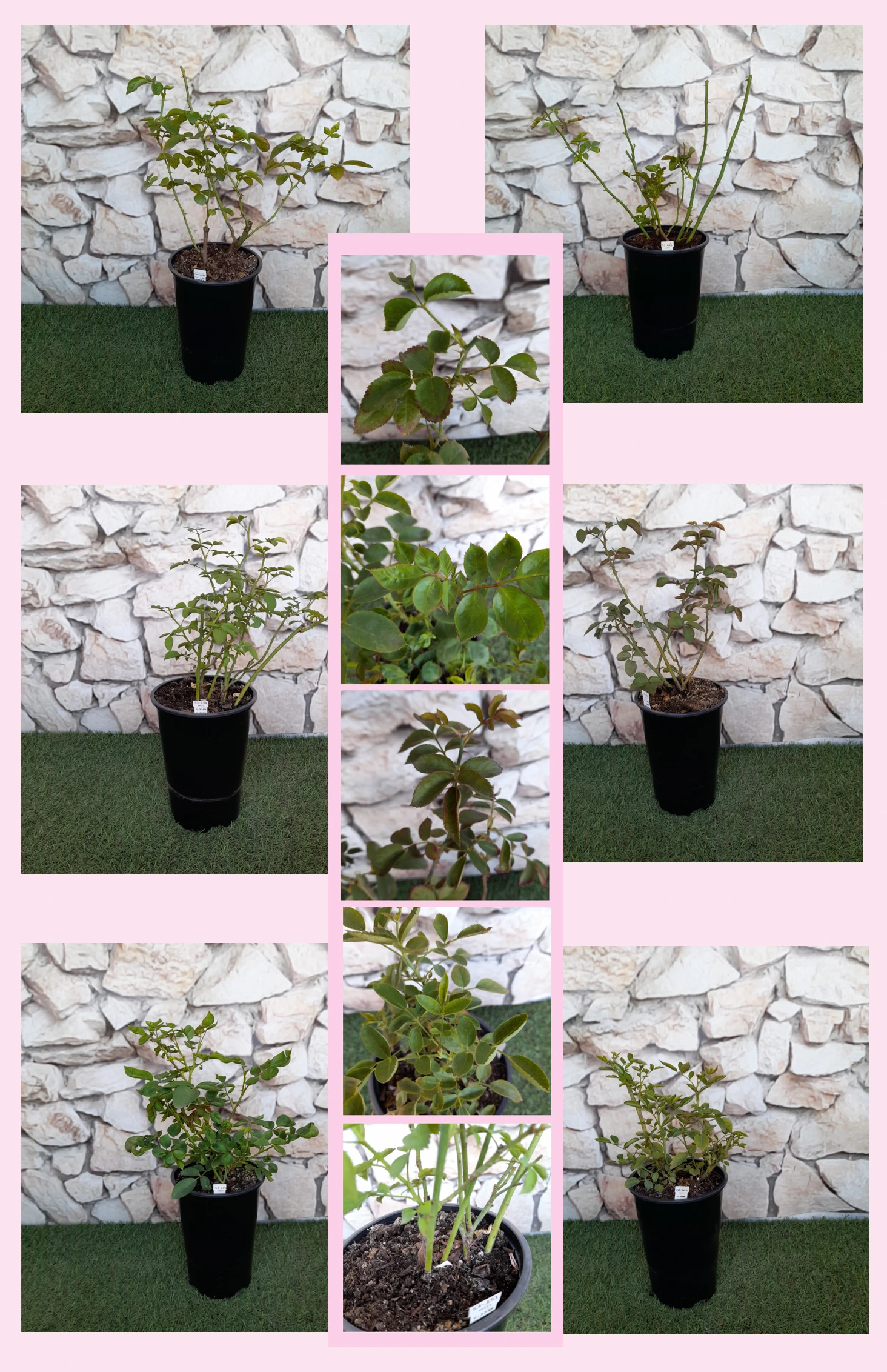
LÉDA – white historic Damask rose
Step out of your front door after rain and breathe in the fragrance of LÉDA, a historic Damask rose whose snow‑white petals edged in raspberry red bring a sense of balance to compact London front gardens and calm, rainwater‑friendly spaces. This medium, upright shrub is well suited to typical UK conditions, even where summers are cool and humid and soils can be heavy, and its semi‑double blooms leave stamens easy to reach for visiting pollinators. Flowering generously in early summer and then again, it offers a long season of colour and scent with only moderate care, while its own‑root character supports a long‑lived, regenerating structure that settles in steadily – roots establishing in year one, then stronger shoots in year two, before full ornamental impact from year three onwards in your sustainable garden.
Usage options
| Target area |
Reasoning |
| Front garden focal shrub |
Use LÉDA as the main feature by your front door or along a short path, where its distinctive white flowers with raspberry-red edging and very strong scent greet you each day; ideal for a welcoming look for the busy homeowner. |
| Rain‑aware urban flowerbed |
Plant in a slightly raised bed with improved drainage so roots sit clear of standing water yet still benefit from the extra moisture typical of rain‑collecting city front gardens, suiting those designing with runoff in mind for the sustainability‑focused gardener. |
| Own‑root long‑term specimen |
As an own‑root shrub, LÉDA matures into a stable, bushy plant that can regenerate from its base after hard pruning or weather damage, providing decades of reliable presence and form for the long‑view planner. |
| Lightly shaded side garden |
Position in a spot with morning or dappled light, such as a narrow side return between terraced houses, where its tolerance of partial shade maintains good flowering without demanding a fully open, sunny lawn for the space‑conscious owner. |
| Medium‑care family border |
Combine with easy perennials in a family border where you can give occasional pruning and basic rose care, while moderate disease resistance keeps maintenance reasonable rather than specialised for the casual hobbyist. |
| Pollinator‑friendly mixed planting |
Mix LÉDA with lavender, sage or nepeta so its accessible stamens and semi‑double blooms sit among nectar‑rich companions, providing a subtly historic yet wildlife‑supporting display for the pollinator‑minded gardener. |
| Historically styled specimen in clay soil |
Set in improved heavy clay with added compost and grit, where its upright, dense habit and historic Damask character give a period feel that still copes reliably with damp, heavier ground common in many UK plots for the heritage enthusiast. |
| Large container for balcony or small patio |
Grow in a 40–50 litre peat‑free container with regular watering using collected rainwater and slow‑release fertiliser, allowing abundant scented flowering at nose level even where you only have a balcony or compact terrace for the urban beginner. |
Styling ideas
- Regency‑front – Underplant LÉDA with Alchemilla mollis and clipped Lonicera nitida for a soft green froth beneath the bicolour blooms – ideal for period‑feeling terraced‑house front gardens.
- Rain‑border – Set LÉDA in a slightly raised, free‑draining strip with gravel mulch and interplant with Nepeta for a rain‑tolerant, low‑care frontage – suited to sustainability‑minded city gardeners.
- Balcony‑bloom – Grow LÉDA in a 50‑litre pot with trailing thyme and compact lavender to enjoy fragrant, pollinator‑friendly colour at railing height – perfect for beginners with only a small balcony.
- Heritage‑mix – Combine LÉDA with Verbena bonariensis and airy ornamental grasses to contrast its historic form with modern texture – appealing to design‑led gardeners seeking a distinctive focal shrub.
- Family‑path – Plant a short run of LÉDA along a garden path with low sage edging so children brush past scented flowers on the way in – great for families wanting charm without complex upkeep.
Technical cultivar profile
| Characteristic |
Data |
| Name and registration |
Historic Damask shrub rose marketed as “LÉDA – white historic Damask rose”; ARS exhibition name ‘Leda’. Part of the Historic rose collection; commercial group historical rose, exhibition category historic shrub. |
| Origin and breeding |
Traditional Damask rose of unknown parentage, bred in the United Kingdom around 1818 and introduced before 1827; breeder and initial distributor unrecorded, reflecting its long‑established garden history. |
| Growth and structural characteristics |
Upright, bushy shrub 90–150 cm high and 70–110 cm wide, with dense, slightly glossy grey‑green foliage and moderate prickles, forming a medium‑sized, well‑filled framework suitable for beds or specimens. |
| Flower morphology |
Semi‑double, rosette‑shaped flowers with 13–25 petals, produced in clusters on branching stems; medium size (approximately 4–7 cm across) and remontant, giving a strong main flush followed by abundant repeat bloom. |
| Colour data and phenology |
Snow‑white petals edged raspberry red (RHS 155C, 57A); buds deep crimson, opening to white with vivid red margin that gradually softens to off‑white and pinkish edging as blooms age, with very good colour retention. |
| Fragrance and aroma |
Very strong, classic Damask rose perfume noticeable from a distance, with a rich traditional character suited to seating areas or path edges where scent can be fully appreciated during peak flowering periods. |
| Hip characteristics |
Forms decorative, ovoid red hips 15–25 mm in diameter in moderate quantities after flowering; add late‑season interest and potential wildlife value if dead‑heading is reduced later in the season. |
| Resistance and winter hardiness |
Hardy to approximately −32 to −29 °C (RHS H7; USDA 4b, Swedish zone 5); tolerates heat and drought well, with moderate resistance to powdery mildew, black spot and rust under typical garden conditions. |
| Horticultural recommendations |
Suited to borders, containers and specimen planting; prefers fertile, well‑drained soil and full sun to partial shade. Allow space of 80–150 cm depending on use, and provide medium‑level care with occasional plant protection. |
LÉDA Historic rose rewards you with long‑season fragrance, repeat flowering and pollinator appeal, while its own‑root form builds a resilient, long‑lived shrub; a thoughtful choice if you like beauty that endures.