WESTERLAND® – orange park rose - Kordes
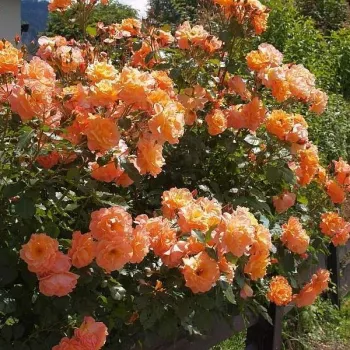
Step through your front gate after rain and WESTERLAND® greets you with spicy fragrance and glowing colour, a rose that copes calmly with blustery, wet British weather and heavy, moisture‑holding soils. Its vigorous, upright habit works beautifully in compact London front gardens, giving you generous height without demanding complex pruning. Semi‑double blooms invite bees, while own‑root vigour promises a long‑lived, regenerating shrub that settles in steadily over three seasons from first roots to full display. Heat‑tolerant yet happy with stored rainwater, it brings sustainable colour, reliable flowering, enduring structure and easy‑to‑manage growth to busy family plots. Plant once, enjoy for years, and let its fragrance and seaside character turn a simple path into your daily moment of balance.
Usage options
| Target area | Reasoning |
|---|
| Rain‑resilient London front garden hedge |
Dense, upright growth and glossy foliage make a handsome, informal boundary that looks composed after downpours and on windy streets, ideal for low‑effort kerb appeal for the busy urban gardener. |
| Statement shrub beside a narrow path |
Large, copper‑orange clusters carry strong scent at head height, transforming quick trips to the door into a sensory walk without cluttering the path for the small‑garden homeowner. |
| Pollinator‑friendly feature in a sunny mixed bed |
Semi‑double blooms with accessible stamens attract bees over a long season, giving movement and ecological value without complicated care for the environment‑minded beginner. |
| Low‑maintenance focal point in a rainwater‑fed border |
Good heat and moderate drought tolerance suit rain‑butt watering and reduced tap use, offering steady flowering with modest feeding for the sustainability‑focused gardener. |
| Own‑root heirloom shrub for long‑term family gardens |
Grows into a solid, regenerative framework that rebounds well after pruning or setbacks, delivering reliable display over many years for the long‑view garden planner. |
| Year‑on‑year developing feature in new gardens |
Establishes roots in the first year, builds flowering framework in the second, and reaches full ornamental impact by the third, giving visible progress for the patient new gardener. |
| Partial‑shade side return or alley |
Tolerant of some shade with good repeat bloom, it brightens less‑favoured strips between houses, reducing the need for fussy planting schemes for the practical city homeowner. |
| Large container on balcony or paved front |
Performs well in a generous 40–50 litre pot with peat‑free compost, providing structure, height and fragrance where soil is limited for the hard‑surface balcony gardener. |
Styling ideas
- Sunset Sweep – Plant WESTERLAND® as a curving hedge along a terraced‑house front path, underplanted with lavender to echo its warm tones – ideal for time‑pressed urban families.
- Balcony Vista – Grow a single plant in a 50‑litre container with trailing nepeta to soften edges – perfect for renters wanting impact without permanent landscaping.
- Seaside Memory – Combine with silvery sage and ornamental grasses to evoke breezy coastal borders – suited to gardeners seeking a relaxed, naturalistic look.
- Peachy Promenade – Flank a narrow garden path with a pair of shrubs and low thyme groundcover – for homeowners who enjoy fragrant evening walks after work.
- Rain‑Garden Glow – Site by a rainwater butt or downpipe, with moisture‑tolerant perennials in front – for eco‑conscious gardeners managing heavy clay and runoff.
Technical cultivar profile
| Parameter | Data |
|---|
| Name and registration |
Climbing shrub rose, registered as KORwest, traded as Westerland® Park - shrub rose KORwest; ARS exhibition name Westerland, in the park / shrub rose commercial group. |
| Origin and breeding |
Bred by Reimer Kordes (W. Kordes’ Söhne, Germany) from ‘Friedrich Wörlein’ × ‘Circus’; bred 1969, registered 1976, introduced after 1976 as a robust landscape shrub. |
| Awards and recognition |
Highly decorated: Certificate of Merit and Fragrance Award, New Zealand Rose Trials 1973; ADR German National Rose Trials 1974; RHS Award of Garden Merit 1993. |
| Growth and structural characteristics |
Vigorous, upright shrub or short climber, about 170–240 cm tall and 150–210 cm wide, with dense, dark green glossy foliage and moderate prickles, good for hedging or screens. |
| Flower morphology |
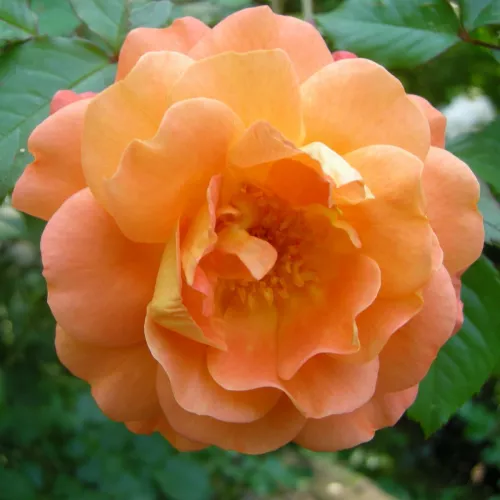
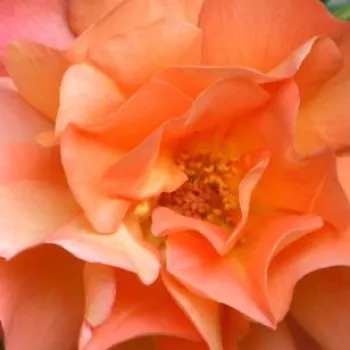
Semi‑double, cup‑shaped clusters with 13–25 petals and large 7–10 cm blooms; remontant, with a strong second flush and good self‑cleaning, only occasional deadheading needed. |
| Colour data and phenology |
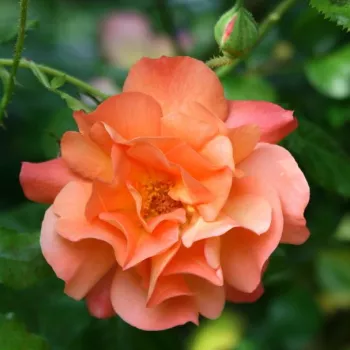
Warm copper‑orange with peach and yellowish tones; vivid on opening, then softening towards peach or salmon, with very good colour retention and repeated flowering through the season. |
| Fragrance and aroma |
Noted for strong, lasting scent blending spicy and peachy notes, especially around damp, mild evenings; awards confirm its performance as a fragrant garden shrub. |
| Hip characteristics |
Sparse hip set; occasionally produces small 12–17 mm ovoid, orange‑red hips, adding a modest late‑season accent but not a major feature of the cultivar. |
| Resistance and winter hardiness |
Hardy to about −26 to −23 °C (RHS H7, USDA 5b, Swedish zone 4); good heat and moderate drought tolerance; black spot resistant, with medium susceptibility to mildew and rust. |
| Horticultural recommendations |
Best as specimen, hedge or bed shrub at 130–220 cm spacing; prefers well‑drained soil, protection from spring frost and medium maintenance with timely pruning and plant protection. |
WESTERLAND® offers tall, fragrant, copper‑orange flowering, pollinator‑friendly blooms and resilient, long‑lived own‑root growth; a thoughtful choice if you would like dependable structure and scent in a family garden.