WILLIAM BAFFIN – deep pink climbing-rambler rose – Svejda
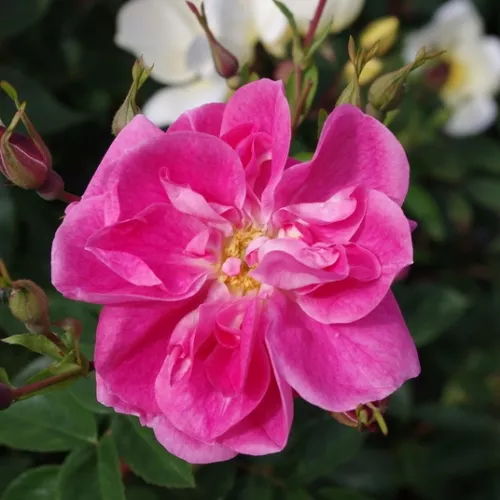
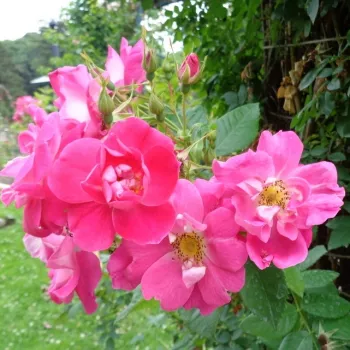
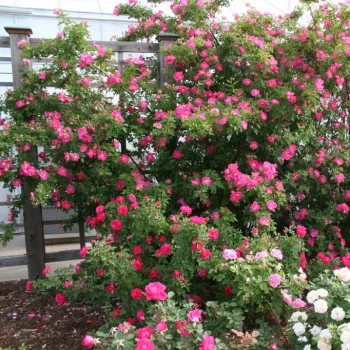
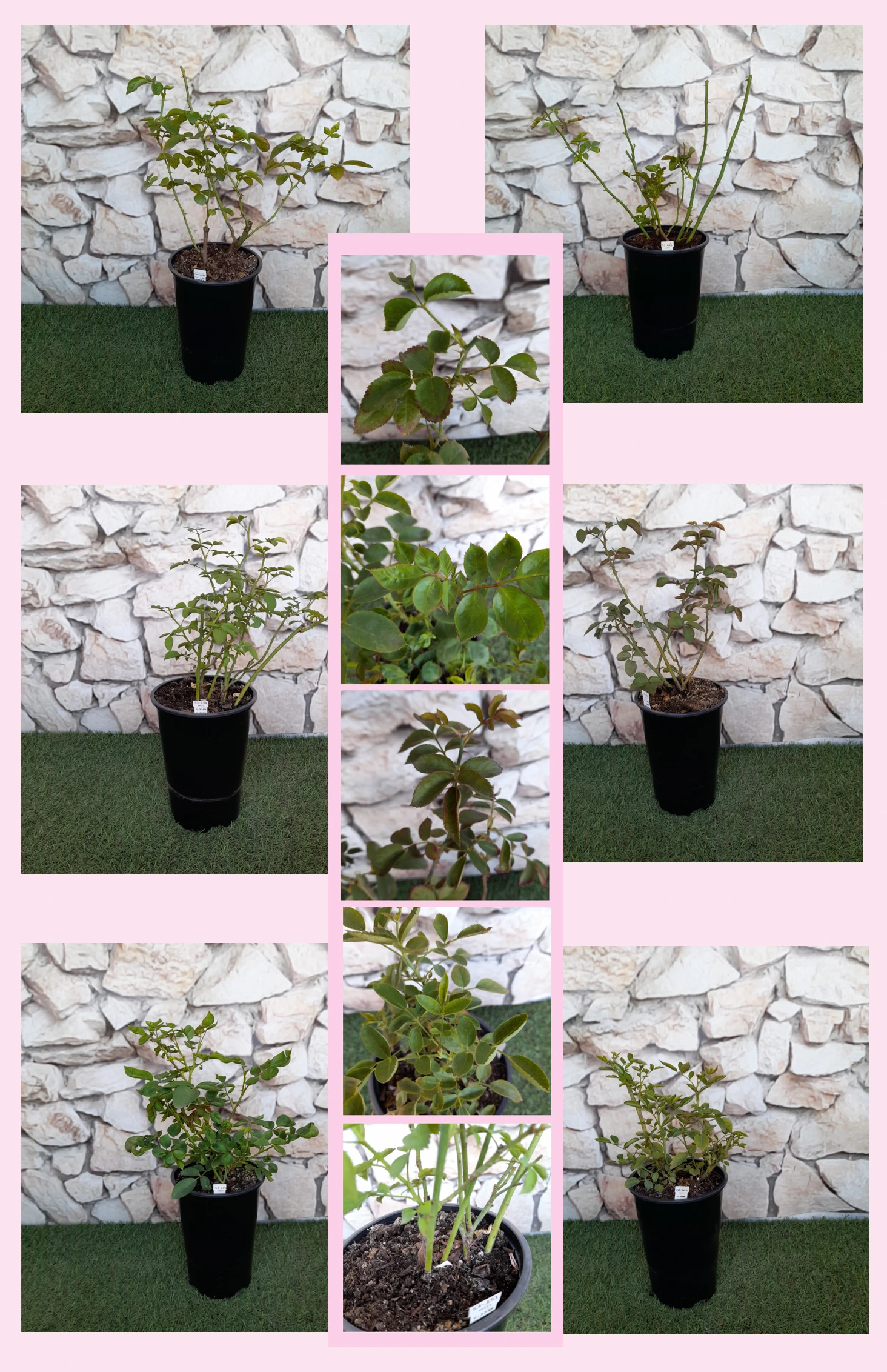
Step out after rain into a front garden lined with deep-pink clusters of blossom, where this reliable climber turns a simple London terrace into a calm green frame for your home. Bred in Canada for stamina, it shrugs off cool, wet spells and breezier conditions, coping well with blustery, moisture‑laden weather in exposed streets and coastal towns. Semi‑double blooms invite visiting bees, while dense, glossy foliage creates a living screen that stays attractive with little intervention. As an own‑root rose, it offers reassuring longevity, regrowing evenly from the base if ever cut back hard and keeping its shape without complicated graft management. Give it a sturdy support, light shaping and straightforward winter checks, and it will reward you with a long season of colour. In its own‑root form it establishes steadily, with roots building in the first year, stronger shoots in the second, and full ornamental impact from about the third, supporting a quietly sustainable and welcoming family garden.
Usage options
| Target area |
Reasoning |
| Terraced-house front fence or railings |
Use along a low front fence or railings to create an inviting deep pink boundary without losing light. Self-cleaning clusters mean fewer spent blooms to tidy from the pavement, ideal for beginners and busy homeowners. |
| Pergola or arch over a narrow path |
Train along a pergola to enjoy repeated flushes of semi‑double flowers at head height, softening timber or metal structures. Own‑root growth makes long-term shaping simpler and more forgiving for cautious but enthusiastic beginners. |
| Rainwater-friendly city front garden |
Plant into well-prepared, free-draining soil that can absorb runoff from downpipes, letting the rose anchor a permeable, low‑mow frontage. It copes well with cool, damp breezes and frequent showers in exposed urban streetscapes. |
| Small family seating corner |
Let it climb behind a bench or seating nook, using its dense, dark foliage as a friendly green privacy curtain. The very light fragrance avoids overpowering compact spaces, suiting relaxation areas for urban garden families. |
| Large container on balcony or paved area |
Grow in a minimum 40–50 litre container with peat‑free compost and a trellis, where its moderate maintenance needs stay manageable. Own‑root resilience supports re‑shooting after pruning, helpful for container‑focused city gardeners. |
| Pollinator-friendly planting strip |
Use in a mixed strip with perennials such as nepeta or sage to extend nectar interest. Semi‑double flowers give partial access for bees while still delivering strong decorative impact, suiting wildlife‑aware front‑garden owners. |
| Low-input family border on clay or chalk |
Once soil is improved for drainage, this robust climber settles into a steady rhythm with basic feeding and mulching. Its cold hardiness and disease balance support long-term structure in typical family plots for time‑pressed households. |
| Long-term garden framework planting |
Use as part of a long‑range plan along a boundary, where its height and spread gradually knit into hedges or shrubs. The own‑root habit promises even regrowth and stable character over many seasons for forward‑planning gardeners. |
Styling ideas
- Soft-Frontage Screen – Train along black or dark‑grey railings, underplant with lavender and nepeta to echo the pink blooms in a scented, bee‑supporting strip – ideal for rainwater‑friendly terrace fronts.
- Romantic-Pergola Walk – Drape over a narrow pergola, pairing with white Clematis and airy grasses for a light, “girly” tunnel of colour – perfect for small family gardens wanting gentle drama.
- Urban-Balcony Frame – Grow in a 50‑litre pot with peat‑free compost and companion herbs such as sage and thyme to green a hard balcony edge – suited to busy city dwellers.
- Parkland-Style Corner – Combine with Liatris spicata ‘Alba’ and clustered bellflower in a sunny corner, echoing public park planting but at home scale – good for relaxed, low‑fuss borders.
- Evergreen-Contrast Panel – Let the rose climb against a backdrop of cherry laurel ‘Miki’, where dark leaves set off its strawberry‑pink clusters – for homeowners seeking year‑round structure.
Technical cultivar profile
| Property |
Data |
| Name and registration |
William Baffin is a Hybrid Kordesii climbing rose sold as “WILLIAM BAFFIN – deep pink climbing-rambler rose – Svejda”, with American Rose Society exhibition name William Baffin. |
| Origin and breeding |
Bred by Felicitas Svejda in Canada from ‘Kordesii’ × (‘Red Dawn’ × ‘Suzanne’), raised at the Central Experimental Farm, Ottawa, introduced and registered in 1983 for cold-climate reliability. |
| Awards and recognition |
Holds Earth-Kind North designation from Texas A&M University (2007) and multiple ARS Classic Shrub Rose awards between 1999 and 2001, reflecting strong garden performance and durability. |
| Growth and structural characteristics |
Vigorous climber reaching 240–400 cm high and 140–240 cm wide, with dense, glossy dark green foliage and good self-cleaning of spent clusters; heavily thorned canes need firm support and thoughtful positioning. |
| Flower morphology |
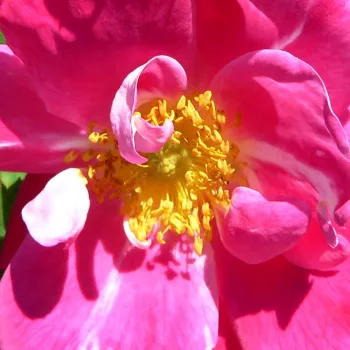
Semi-double, flat, cluster-flowered blooms with around 13–25 petals and medium diameter, producing an early flush followed by a plentiful repeat, giving generous seasonal cover along supports or structures. |
| Colour data and phenology |
Displays vibrant deep strawberry pink flowers with purplish tinge, ARS code DP, RHS 57A–57B, slightly lightening in strong sun yet staying vivid in cool weather, providing reliable colour over a long season. |
| Fragrance and aroma |
Features a very light, delicate rose-like fragrance that is barely perceptible, adding a subtle rather than dominant scent, making it suitable near seating or paths where strong perfume is not desired. |
| Hip characteristics |
Develops tomato-orange, ovoid hips about 6–11 mm across, appearing moderately on established plants, adding seasonal interest and modest wildlife value without overwhelming the decorative effect of the foliage. |
| Resistance and winter hardiness |
Hardy to around −37 to −34 °C (RHS H7, USDA 3b, Swedish zone 6), with good black spot resistance and moderate susceptibility to mildew and rust, requiring only occasional plant protection in humid seasons. |
| Horticultural recommendations |
Best on fences, pergolas or as solitary climber at 145–300 cm spacing; tolerates partial shade, prefers improved drainage on clay or chalk, and needs only medium maintenance once established on its own roots. |
William Baffin offers long-season colour, partial pollinator appeal and dependable, cold-tolerant structure on its own roots, making a thoughtful, low-fuss choice if you would like a climber that quietly earns its place.